the word needed to carry every hardship he didn’t want to confess.
He wanted to offer money immediately.
To promise a house, a car, anything that could erase the humiliation of that evening.
But he stopped himself.
His brother had spent a lifetime building a life without him.
He deserved to be heard before somebody began rearranging it.
“Tell me about Naomi,” Arthur said instead.
And Samuel did.
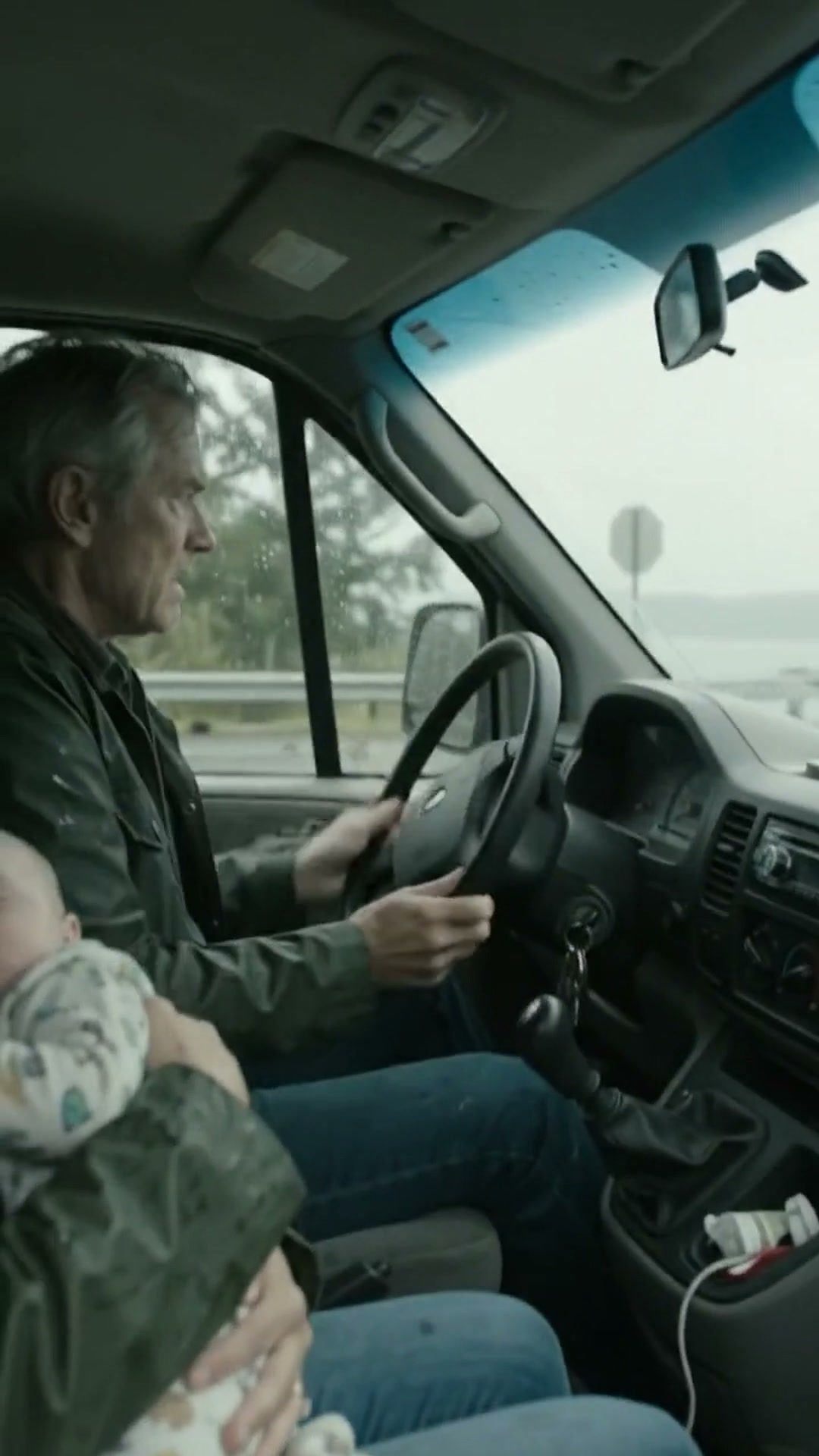
He told Arthur about her love of old movies, her terrible singing voice, her habit of bringing home injured birds, and the way she used to call him every Wednesday even after she became an adult.
Arthur listened without interrupting.
For the first time, he began to understand the enormity of the years he had missed.
Meanwhile, Clara had asked Gordon to remain at the station while she arranged a meeting with the foundation’s counsel the following morning.
Arthur returned to the ballroom after Emily had eaten and addressed the donors briefly.
He did not announce the discovery of his brother.
He did not invite cameras to record the reunion.
Instead, he explained that the public supper had been mishandled, that several families had been turned away, and that the foundation would provide meals and transportation for anyone who had been redirected or left waiting.
He apologized without naming Samuel or Emily.
Then he ended the formal program early.
Outside, rain tapped against the station windows as volunteers began helping the catering staff serve soup and sandwiches in the smaller hall.
A mother arrived with two children after hearing that the supper had resumed.
An elderly couple returned after being turned away at the entrance.
Several more families followed.
By the end of the evening, the foundation had served dozens of meals to people who had nearly gone home hungry.
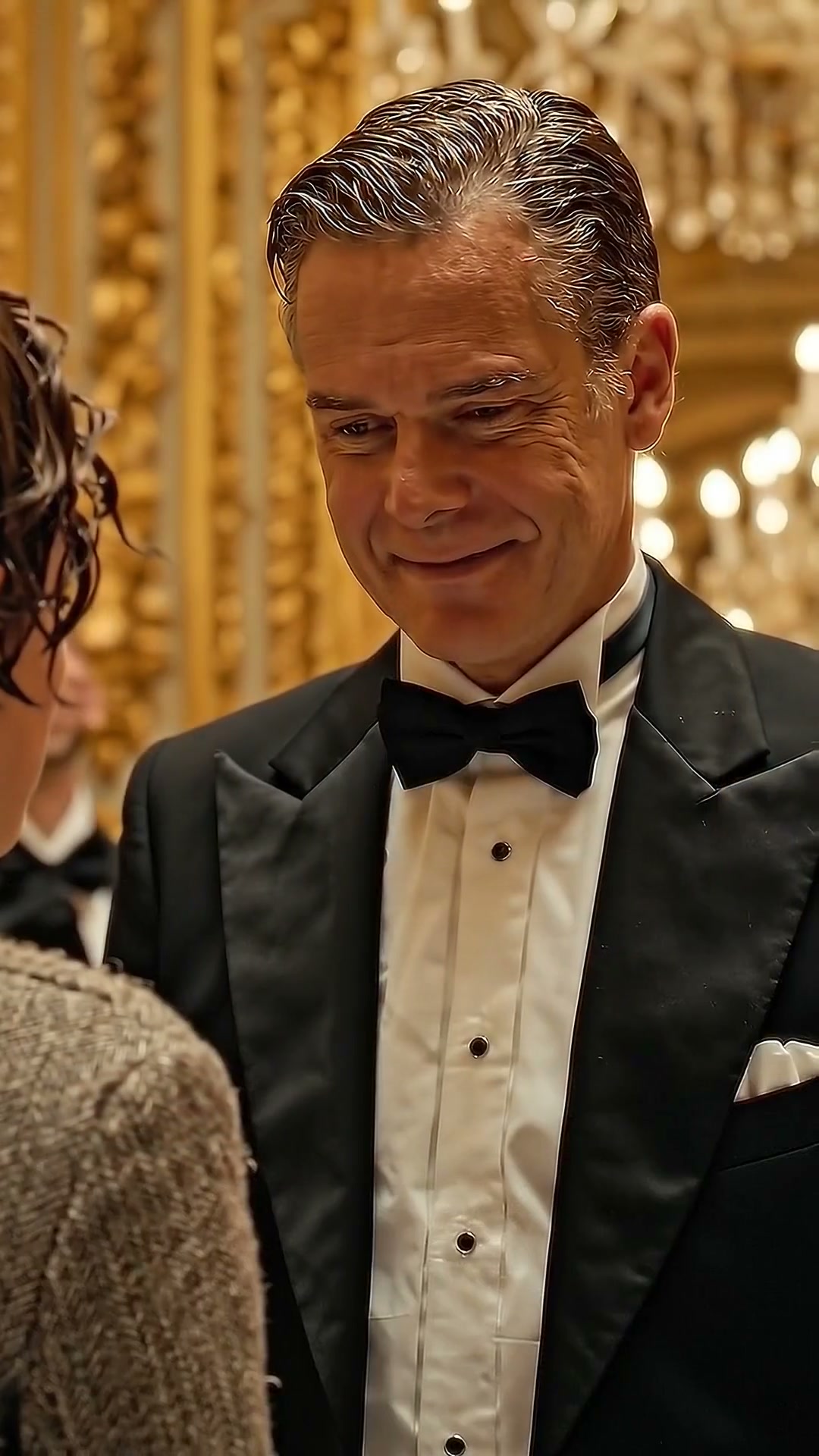
Arthur helped carry trays.
Samuel watched him from the doorway.
“You used to burn toast,” he remarked.
Arthur glanced up.
“I still do.”
For the first time since they’d met again, Samuel smiled.
But their reunion had another wound to confront.
The following morning, Arthur, Clara, Gordon, and an independent attorney met at the foundation’s offices.
Gordon brought a gray archival folder from his former executive files.
Inside was a photocopy of Samuel’s original letter from 1998.
Arthur read it slowly.
It began with a simple sentence: I believe I am your younger brother, Samuel.
The following paragraphs described the old family house, their mother’s sewing tin, the red gate, and the stuffed bear Arthur had repaired.
Samuel had included a photograph of Naomi and explained that he wasn’t asking for financial assistance.
He simply wanted his daughter to know that her family was larger than she’d been told.
Arthur laid the letter on the table.
“Why didn’t you give this to me?”
Gordon rubbed his forehead.
“Your wife had died the previous year.
You were struggling.
We’d had problems with people approaching you for money, and you told me you didn’t want unsolicited personal claims brought to you without verification.”
“You could have verified it.”
“I should have.”
Gordon opened the folder again.
There was a second document.
It was dated eight years after Samuel’s letter.
A tracing inquiry from a family-history researcher who had located records showing that a child named Samuel Mercer had been adopted under the surname Rowan.