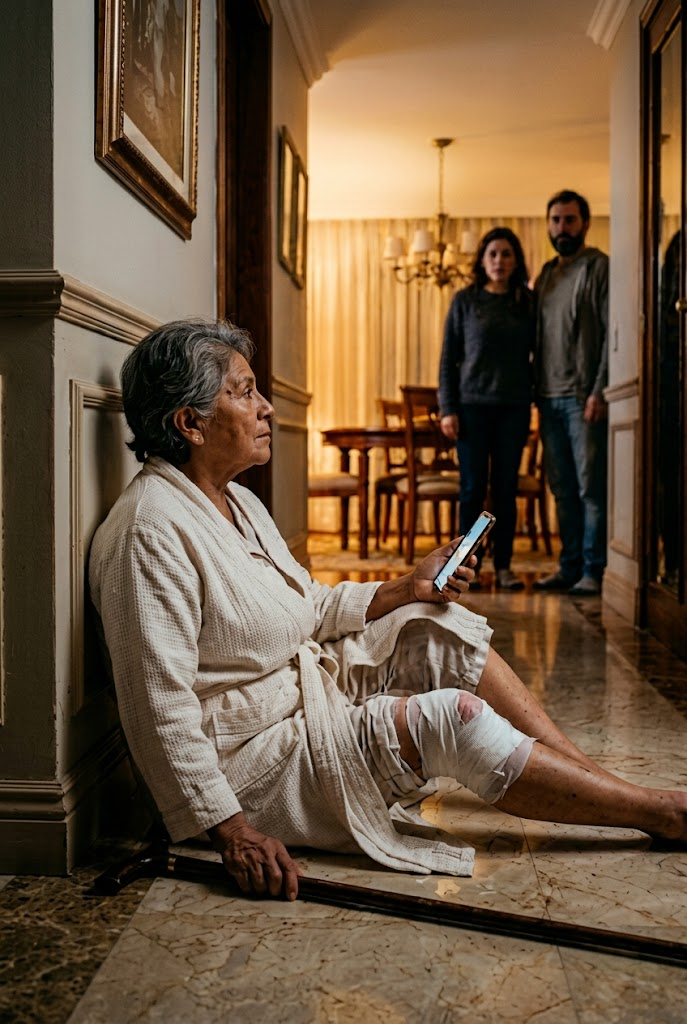
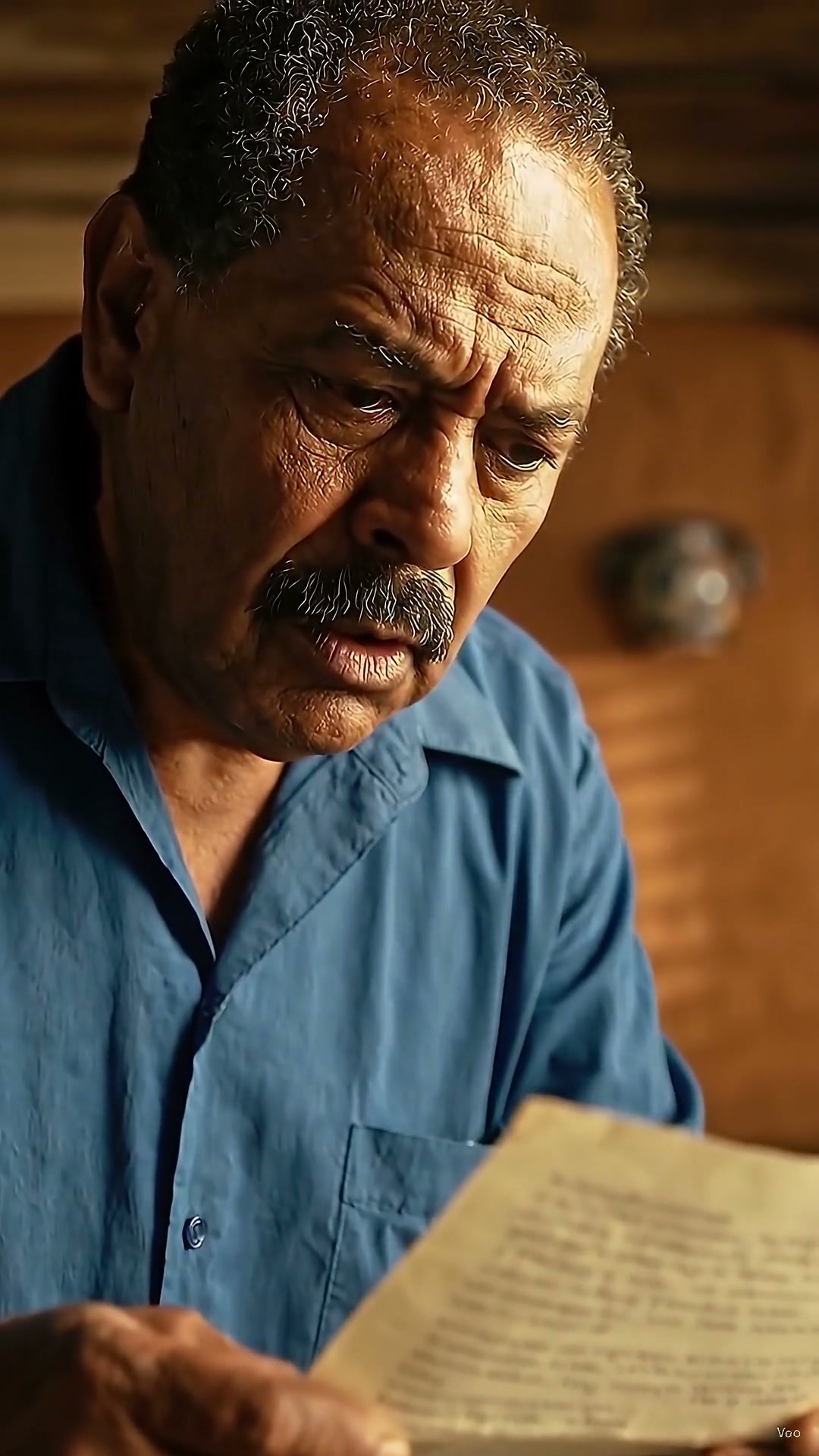
claimed the billing irregularities were administrative mistakes and insisted he had encouraged Grace to stay in the wheelchair only until doctors could formally document her progress.
But Rachel had preserved something he did not know existed.
The afternoon she first discovered Grace walking, Grace had been carrying a tablet while listening to music.
When Evan arrived unexpectedly, she left it recording on the kitchen counter.
The device captured several minutes of their conversation.
The audio was imperfect, but Evan’s voice was clear enough.
He told Grace that if she walked in front of an insurance investigator, her father could lose the case.
Then he said, “If your dad finds out you ruined this after everything he’s sacrificed, I don’t know if he’ll ever forgive you.”
Aaron listened once.
He could not bear to hear it twice.
The recording, financial records and disputed signatures were turned over to investigators.
There was no dramatic arrest that night.
Real investigations moved more slowly than television.
Accounts were traced.
Signatures were examined.
Billing companies were contacted.
People were interviewed separately.
Three months later, prosecutors filed fraud and forgery-related charges against Evan and one business associate.
The case would take much longer to resolve, but Aaron no longer needed a courtroom verdict to know what had happened inside his family.
His brother had looked at Grace’s recovery and seen a financial threat.
Aaron had looked at the wheelchair and seen his duty as a father.
Both men, in different ways, had stopped seeing Grace herself.
That realization changed Aaron more than the fraud did.
He returned to therapy with Grace.
Not physical therapy at first.
Family therapy.
They talked about Laura.
They talked about the crash.
They talked about Aaron’s habit of hovering whenever Grace reached for something and Grace’s habit of pretending she needed help because she feared disappointing him.
Rachel remained part of their lives, but her role changed as Grace grew stronger.
Some mornings Grace used the wheelchair.
Some days she walked with a cane.
Eventually, she began walking short distances without either.
No one treated a difficult day as failure.
No one treated a good day as evidence she had been pretending all along.
Six months after the afternoon with the garden hose, Aaron came home and found Grace in the greenhouse.
For a moment, the sight stopped him.
She was standing beside a long wooden table, repotting the white roses that had once belonged to her mother.
Her wheelchair was folded near the doorway.
A cane leaned against the wall within reach.
Rachel stood outside with the garden hose.
Aaron raised an eyebrow.
Rachel smiled.
“Don’t start.
I’m watering the roses.”
Grace laughed.
Aaron laughed too.
Then Grace lifted one of the pots and carried it three careful steps toward the window.
Aaron’s instinct screamed at him to rush forward and take it.
He forced himself to remain where he was.
Grace set the pot down safely.
She looked over her shoulder.
“You saw that, right?”
Aaron smiled.
“I saw it.”
“You weren’t going to help me?”
“You didn’t ask.”
Grace considered that, then nodded approvingly.
Outside, rain began tapping softly against the greenhouse roof.
Aaron watched his daughter turn back toward the roses.
For months, he had believed the miracle would be seeing Grace walk again.
He had been