ended.
There was one final confrontation I had not expected.
Months later, before her criminal case was resolved, my mother’s attorney asked whether I would accept a supervised conversation with her.
Sofia said the choice was mine.
I went with Rachel to a neutral conference room, not to bargain, but to hear what Celeste thought she could possibly say.
She sat at the far end of a plain table without jewelry or her usual lacquered composure.
For a moment she looked like the woman who had taught me to tie my shoes.
Then she spoke.
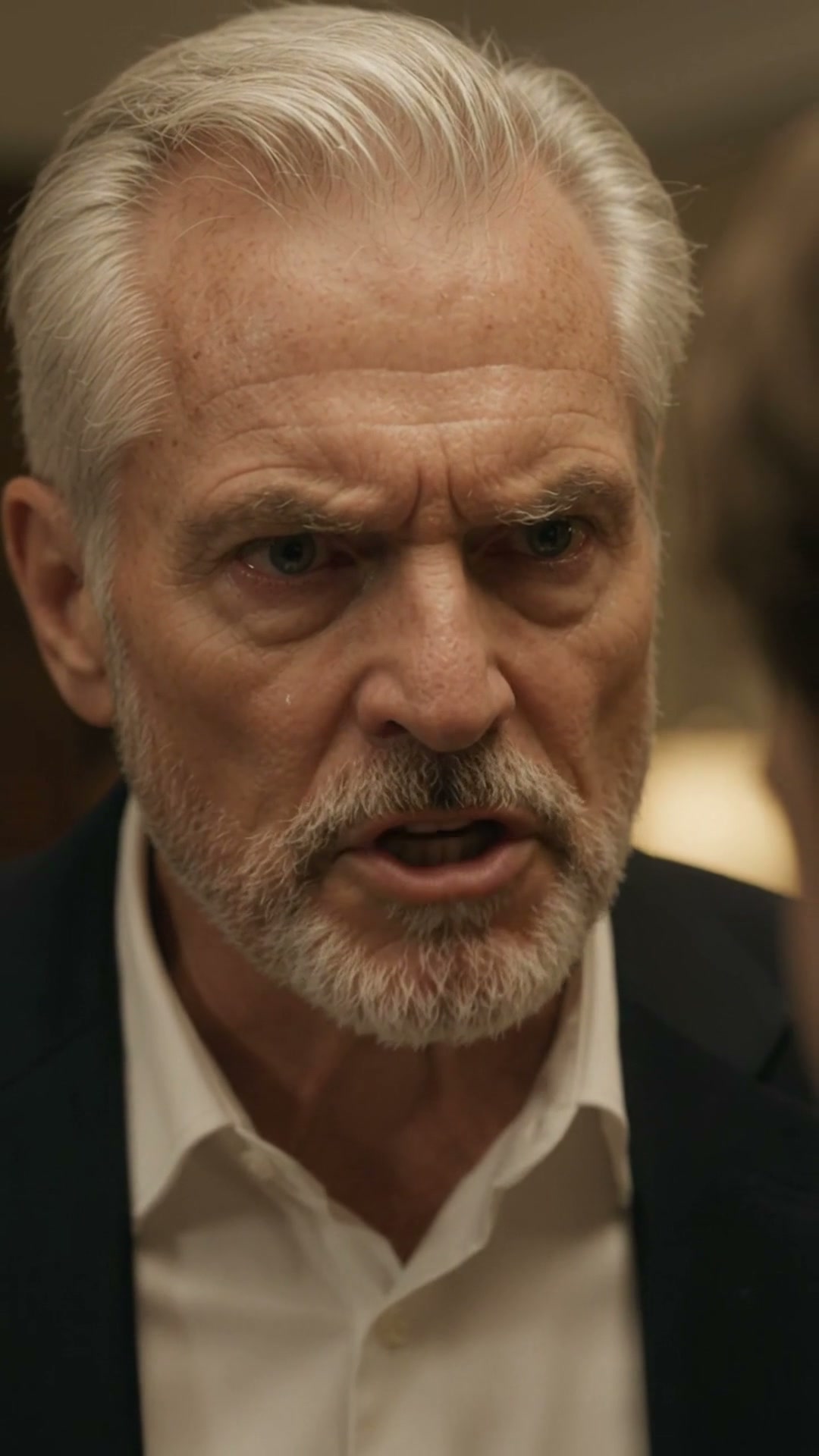
“You don’t understand the pressure we were under,” she said.
“The creditors were coming.
Graham said it was the only way to keep the company together.”
“You put Sofia in a coffin.”
Celeste looked at the table.
“I was told she would wake up.”
“And what did you plan to do if she didn’t?”
She had no answer.
“You watched me walk into that room,” I said.
“You watched me think my wife and son were dead.
Then you handed me a document.”
Her eyes finally lifted.
“I thought you would sign.”
There it was.
Not grief.
Not a desperate mother’s mistake.
A calculation made at the expense of two human lives.
I stood, and Rachel closed her folder.
There was no threat in my voice when I said, “You will not be part of Micah’s childhood.
That is not a punishment I’m asking the court to impose.
It is a boundary I’m choosing as his father.”
I left before she could answer.
Sofia’s recovery was not a neat upward line.
Some mornings she woke before dawn because she’d dreamed of being unable to move.
She worked with a trauma counselor and a physical therapist.
We moved out of the estate while police finished their work, and later sold it.
We chose a smaller house with a porch, a garden, and windows that let in the afternoon light.
There was no room with a ceiling grand enough for a chandelier, and neither of us missed one.
Micah came home from the hospital with a stack of discharge instructions, a soft blue cap, and lungs that could make his displeasure known to the whole block.
The first time I carried him over our new threshold, I stopped in the doorway.
Sofia noticed.
“What is it?”
“I used to think coming home meant coming back to a place,” I said.
“I was wrong.”
She rested her cheek against my shoulder.
Micah wriggled between us, searching for warmth.
A year later, on his first birthday, our friends filled the back garden with paper lanterns.
The company was still rebuilding, and the legal cases had not erased what happened.
But the fraudulent transactions had been exposed, safeguards had been put in place, and neither Celeste nor Graham had access to our lives.
We were no longer waiting for their permission to feel safe.
When it came time for cake, Sofia sat Micah on her lap.
He slapped one small hand into the icing and laughed, delighted by the mess.
Beside the cake lay the yellow blanket, its crooked corner still visible.
Sofia had kept it, washed it, and stitched Micah’s initials into the edge.
It had once been placed next to a coffin by people who wanted us to