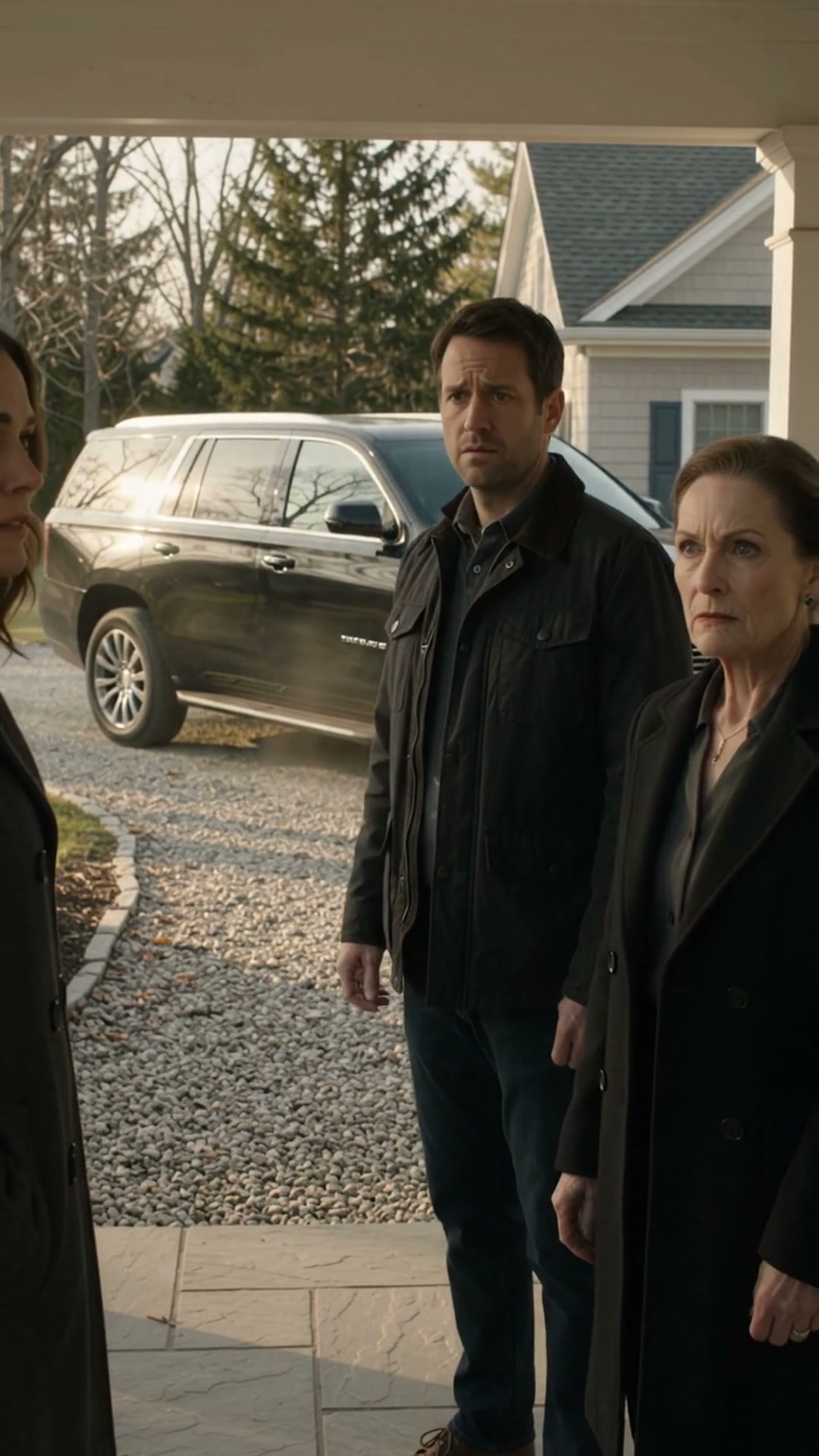
“Are you going to have me arrested?”
“I don’t control what investigators decide,” I said.
“But I’m not going to pretend you had permission you never asked for.”
That was the first time I saw him understand that apologizing to his mother would not erase a document he had sent to a business professional.
The meeting lasted nearly two hours.
We discussed the payoff, the closing, the legitimate obligations, and the steps required to correct the representations made during the transaction.
I did not demand an extra payment for being humiliated.
I did not ask for ownership of their house.
And I did not impose some invented punishment because I was angry.
I wanted the money they owed me.
Nothing more.
Nothing less.
The original buyers eventually agreed to a short extension while the title issue was resolved.
The sale went through after the necessary paperwork was corrected and the true payoff was arranged.
At closing, $620,000 was disbursed to repay my loan.
The formal release of my lien was handled through the appropriate process.
The remaining sale proceeds, after ordinary transaction costs and obligations, belonged to Ben and Sloane.
They did not leave with nothing.
But they left with far less than they’d planned to use for their next purchase.
Their agreement to buy the larger house fell apart.
They had waived a contingency that might otherwise have protected them, and they ultimately forfeited a substantial earnest-money deposit.
They moved into a smaller rental while they reconsidered their finances.
For the first time in years, they had to live according to what they could actually afford.
I didn’t celebrate that.
I didn’t feel triumphant when I learned they had canceled their furniture orders or sold the expensive SUV.
I felt relieved that my retirement savings were no longer being treated as an invisible subsidy.
The matter involving the questionable authorization did not disappear simply because the loan was repaid.
My attorney helped me preserve the records and report what had occurred.
I left any further investigation or consequences to the appropriate authorities.
I wasn’t interested in inventing a dramatic courtroom ending.
I was interested in living the rest of my life without wondering whether somebody else was making decisions about my money.
The day the repayment reached my account, I drove to the cemetery where Walter was buried.
I brought the small blue flowers he’d always liked.
The grass was brittle with winter cold, and wind moved through the bare trees.
I stood beside his headstone and told him everything.
About Ben.
About the house.
About the signature.
About Thanksgiving.
“You always said we should help people get back on their feet,” I whispered.
“But you never said we had to let them stand on our shoulders forever.”
I rested one hand on the cold stone.
Then I went home.
For several weeks, Ben continued sending messages.
At first, they were explanations.
Then apologies mixed with excuses.
Eventually, the messages became shorter.
One evening in January, he wrote something different.
“Mom, I copied your signature because I was afraid you’d say no.
I knew it was wrong.
I made Sloane send that Thanksgiving message because I didn’t want you seeing the moving boxes.
I hurt you, and I’m sorry.
I’m not asking you for anything.”
I read it carefully.