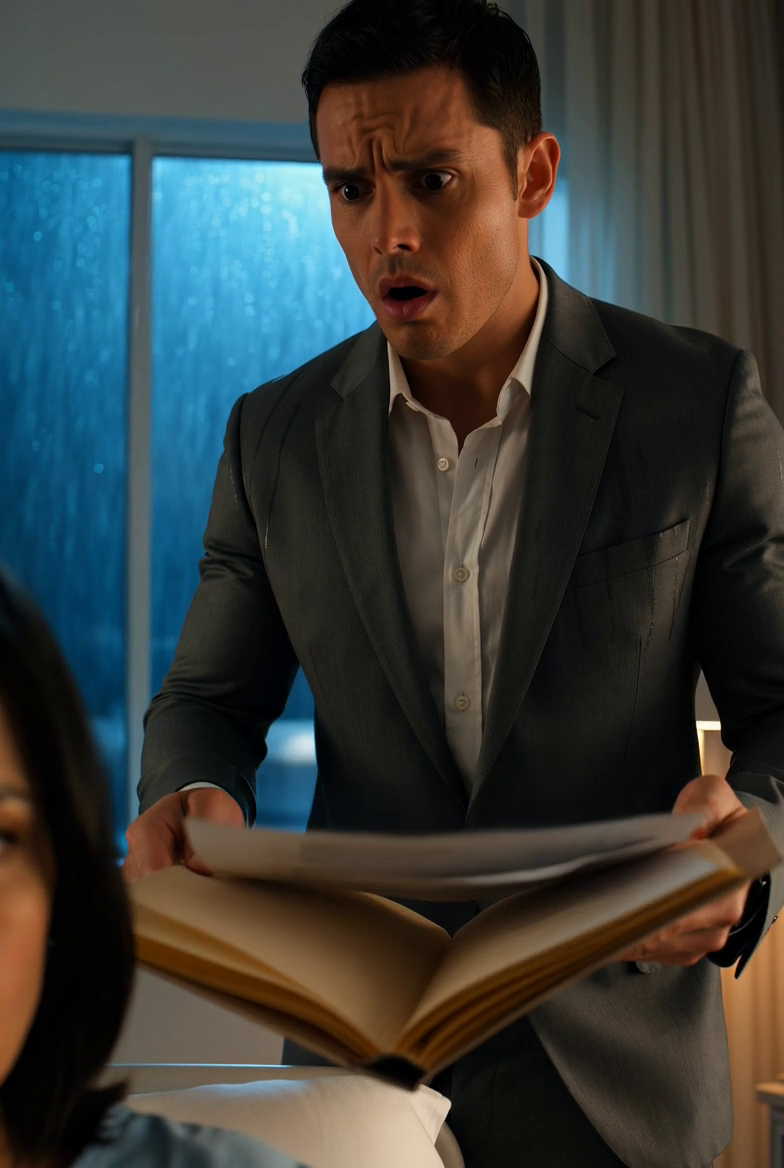
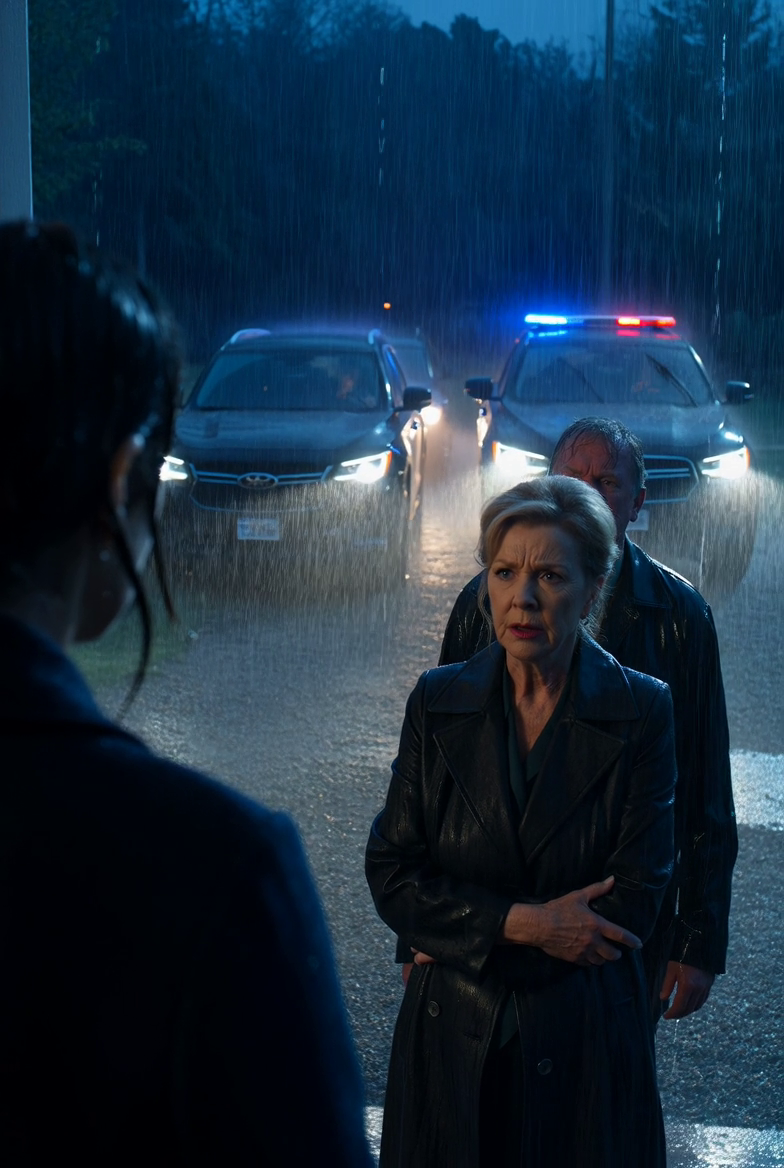
was the most important thing she had done before confronting him.
She had created a chronological memorandum documenting exactly when she noticed each discrepancy, whom she notified, and what records she reviewed.
She had followed procedure.
That memo destroyed the defense claim that she fabricated the accusations after a marital dispute.
The records existed first.
Her report existed first.
The confrontation came afterward.
Months passed.
Audrey moved into a small apartment off base while she recovered.
I helped install shelves, repair a leaking kitchen faucet, and assemble furniture she insisted she could build herself.
One Saturday morning, I found her sitting on the floor surrounded by screws and instruction sheets.
She stared at an unfinished bookcase.
“Mom would’ve laughed at us,” she said.
I smiled.
“Your mother would’ve thrown away the instructions and blamed the manufacturer.”
Audrey laughed for the first time in weeks.
Then the laughter disappeared.
“I keep thinking I should have seen Julian earlier.”
I sat beside her.
“You saw him when he gave you something real to see.”
“I married him.”
“And when you found evidence that something was wrong, you acted.”
She looked down at her wrists.
The marks had faded.
“I was scared.”
“Courage isn’t the absence of that.”
She gave me a tired smile.
“You always say that.”
“Because people keep forgetting.”
The court proceedings took time.
Some aspects involving sensitive government records were handled under strict protective procedures, and much of the underlying investigative material never became public in full detail.
But the central facts eventually emerged.
Julian entered pleas to multiple offenses after forensic evidence tied him to unauthorized system access, attempted evidence destruction, and Audrey’s confinement and assault.
His military career ended.
Arthur faced separate military and federal consequences connected to the diversion conspiracy and obstruction.
Evidence showed he had used legitimate logistics authorities to conceal unauthorized movements and then tried to suppress Audrey’s discovery.
Miriam’s situation was different.
Investigators did not establish that she designed the underlying theft scheme, but her actions during the confrontation led to serious administrative and legal consequences.
Her career ended under the weight of the findings that she had abused her authority and participated in keeping Audrey from leaving while evidence was being sought and destroyed.
Several other defendants connected to the contractor network were prosecuted separately.
No dramatic speech ended the case.
No courtroom erupted in applause.
Real accountability was slower than that.
It arrived through evidence logs, sworn testimony, forensic reports, hearings, legal motions, and decisions made one careful step at a time.
Almost a year after that rainy night, Audrey asked me to drive with her back to Iron Ridge.
We stopped near the same residential compound.
The building looked ordinary in daylight.
That surprised her.
“I thought it would look smaller,” she said.
“Places don’t change size just because we’re ready to face them.”
She gave me a sideways glance.
“That sounded rehearsed.”
“I’m retired.
I have time to rehearse.”
She laughed.
Then she became quiet.
A new headlight shone on her repaired SUV.
Her service cap sat properly on the dashboard.
She had recently returned to duty in a different assignment after medical clearance.
Her supervisors had offered options, including leaving the service.
She chose to stay.
Not because she needed to prove anything to Julian or his family.