manager withdrew the notice ending my lease while the ownership dispute continued.
I could have stayed, but every creak in the building made me think of Catherine.
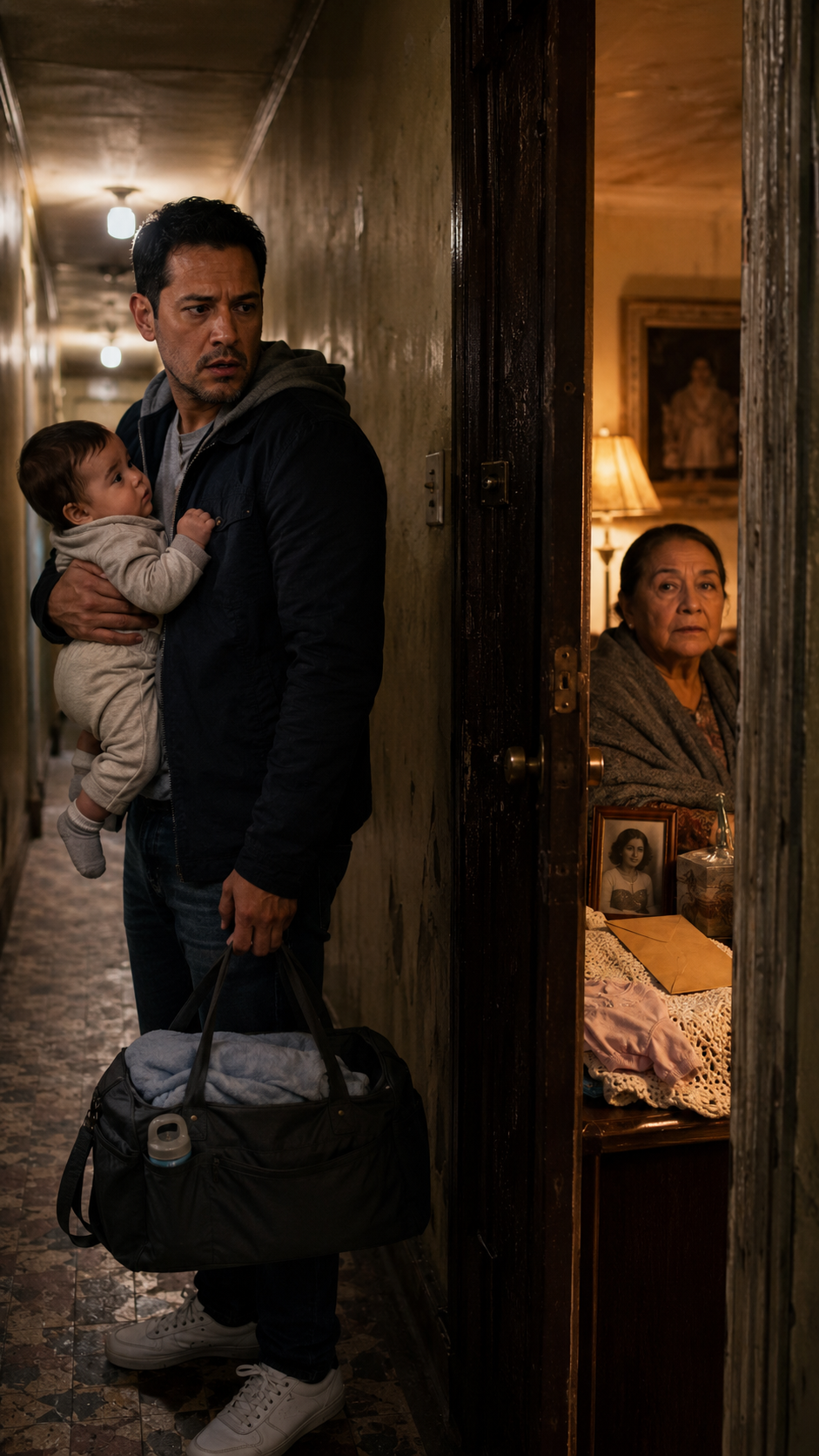
Grandma helped me apply for a small apartment near June’s daycare.
The lease was in my name.
The manager verified my income, and I paid the deposit with assistance Grandma gave openly, not through an intermediary.
For the first time in nearly a year, I could decide where my daughter would sleep without wondering whether a relative was profiting from the decision.
At mediation the next spring, I sat across a conference table from Catherine and Martin.
Their lawyer had brought spreadsheets.
Leah had brought the trust documents, the medical record, the payment trail, and a timeline of the false messages.
Catherine looked smaller than she had at Thanksgiving.
I did not mistake that for remorse.
People can be afraid of consequences without understanding the people they hurt.
“We meant to replace the money,” she said.
“The restaurant debt was coming due.
If we could buy, renovate, and sell the duplex, everyone would be fine.
We gave you a place to live in the meantime.”
I placed twelve rent receipts on the table, one beside another.
“You didn’t give me a place to live,” I said.
“You rented me a place I helped pay for, without telling me.”
Martin said the building had expenses.
There had been taxes, insurance, maintenance, mortgage interest.
He spoke as though these facts made the theft into a disagreement over accounting.
I pointed to the sheet that listed my trust balance at zero.
“Where in these records is the part that says I agreed to risk my daughter’s medical money on your debts?”
He had no answer.
Catherine tried a different one.
She said she’d thought I would panic if offered so much money all at once.
She had taken responsibility because I was vulnerable.
“I was vulnerable,” I told her.
“That is why it mattered that you ask me.”
Grandma had listened without interrupting.
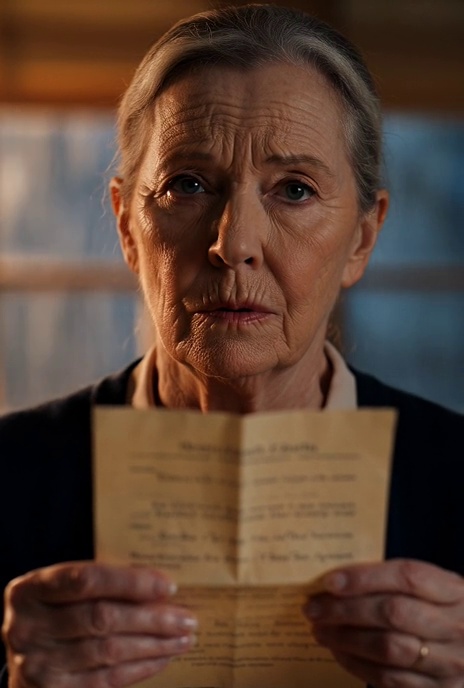
Now she took the page bearing my false signature and turned it around to face Catherine.
“My granddaughter was in surgery,” she said.
“You knew she couldn’t sign this.
You used my trust in you to get my money, and you used her grief to keep us from speaking.”
Catherine’s mouth trembled.
“I thought I could put it back before anyone knew.”
“That was always about you,” Grandma replied.
“Not about Nora.
Not about June.”
I had imagined shouting.
Instead I felt a strange clarity.
Catherine could tell herself she’d been protecting me, but the chain of events was plain: she’d been entrusted with money for my recovery, had directed it to her husband’s business without my permission, had made me pay rent on the resulting property, and had lied to keep Grandma from asking questions.
The civil case did not end that day.
Negotiations continued, and the suspected forged authorization was also referred to the proper authorities for investigation.
Months later, Catherine and Martin signed a court-filed settlement requiring full restitution to the trust, interest, and contribution toward the legal costs.
A supervised sale of the duplex funded most of the payment; Martin refinanced another asset to cover the balance.
Catherine was permanently removed from managing family trust funds.
The criminal investigation