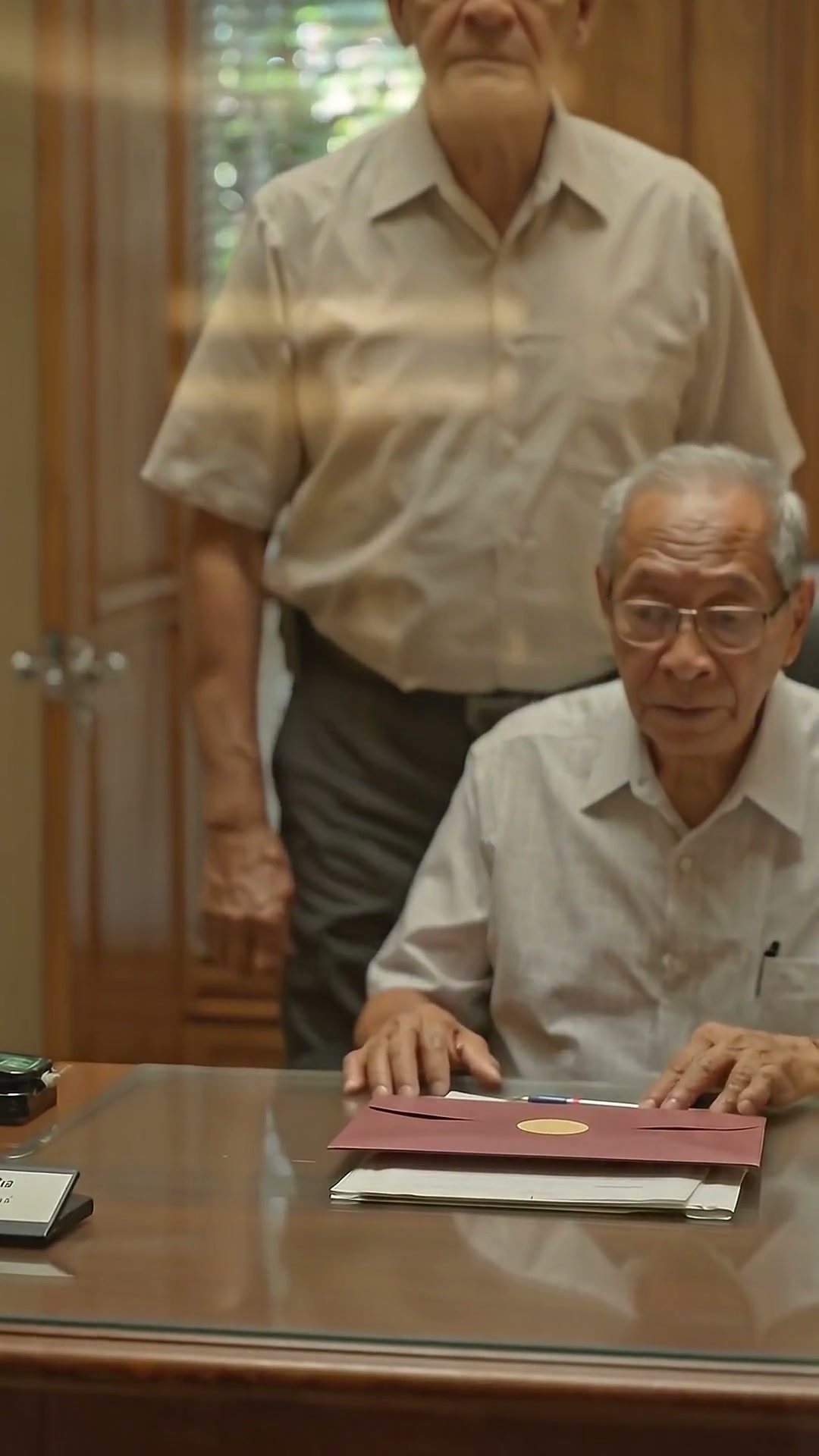
a kitchen drawer and retrieved a document.
“We have a lease.”
My pulse jumped.
Officer Ramirez read the first page, then looked at me.
“Did you sign an agreement allowing Jenna and Mark Ellis to occupy the property for twelve months?”
“No.”
Jenna shoved the document toward me.
There was my name.
There was also what looked, at first glance, like my signature.
The agreement supposedly rented the entire house to Jenna and Mark for one dollar a month.
“Where did this come from?”
Nobody spoke.
Then Mom whispered, “It was just paperwork.”
I turned toward her.
“Did you sign my name?”
Her silence answered me.
Jenna immediately defended her.
“You would have said no.
Mom knew that.
We needed something in writing so Mark’s parents would feel secure.”
“You forged a lease because you knew I would refuse?”
Officer Ramirez’s demeanor changed.
Until then, he had been dealing with an ugly family occupancy dispute.
A possibly forged legal document created a separate issue.
He asked Mom where the document had been created.
She said she had downloaded a template.
He asked whether she had physically signed my name.
She suddenly wanted an attorney.
That was when Jenna’s husband arrived.
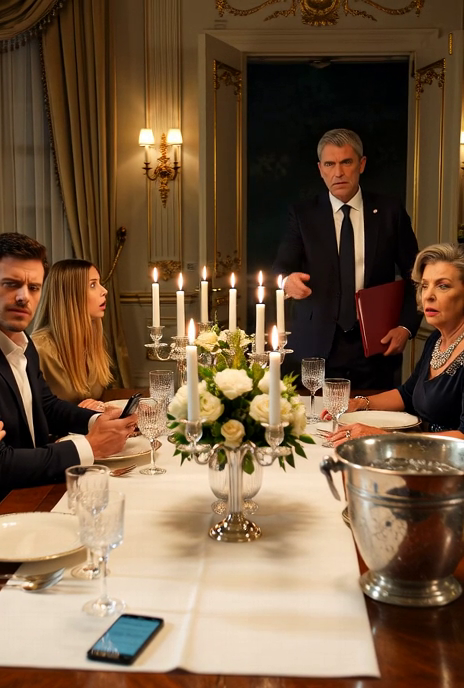
Mark Ellis walked through the doorway angry enough to begin speaking before he understood what was happening.
“Why are my parents’ bags outside?”
Officer Ramirez showed him the lease.
Mark stopped.
He read the signature, then looked at Jenna.
“You told me Claire signed this.”
Jenna’s face changed.
It was subtle, but I saw it.
Mark had not known.
“I told you she agreed,” Jenna said.
“You told me she signed it before her Phoenix trip.”
Mark’s father stood from the reading chair.
“You said Claire was transferring the house to you after Christmas.”
The room became completely still.
I looked at Jenna.
“Transferring what?”
She said nothing.
Officer Ramirez advised everyone not to destroy, alter, or remove documents while the ownership issue was being examined.
Because the occupants had been staying there long enough to complicate immediate removal and because there was now a disputed document, he explained that I might need formal legal steps to regain exclusive possession unless everyone left voluntarily.
I did not like that answer, but I understood why he couldn’t adjudicate property rights in my hallway.
So I did something Jenna mistook for surrender.
I packed an overnight bag and left.
Mom followed me to the porch.
“See? We can work this out once you’re calmer.”
I placed my suitcase in my car.
“I’m perfectly calm.”
Then I drove directly to my attorney.
Her name was Elena Park, and she had handled the purchase of my house four years earlier.
Her office was above a pharmacy in downtown Tacoma, and she returned after hours when I told her someone had forged a lease bearing my signature.
We photographed everything I had brought.
She told me not to communicate with Jenna except in writing and not to remove anyone’s belongings until she could determine the correct legal process.
Then she asked the question that changed the direction of the entire case.
“Why would your sister tell her husband’s parents you were transferring the house to her?”
I had no answer.
Elena logged into the county recording system.
At first, nothing seemed unusual.
The deed still