studies abroad.
The rent would help with her expenses.”
“What about the tuition?”
“We would work something out.”
That phrase had followed my family through decades of irresponsible decisions.
We would work something out.
Usually, it meant I would work something out.
“I’m not releasing another dollar,” I said.
My mother grew furious.
“Your sister has already made commitments!”
“Commitments involving money she doesn’t own.”
“I raised you better than this.”
I looked at Sophie’s little savings notebook lying beside the computer.
“I hope I’m raising my daughter differently.”
Then I ended the call.
Neither Neil nor I slept well that night.
At seven the next morning, I opened the folder of documents Vanessa had supplied for her proposed London program.
There was an acceptance letter, an estimated tuition statement, and a payment instruction sheet.
Something about the dates bothered me.
The acceptance letter was dated February, but the supposed tuition statement carried a reference number that looked incomplete.
The payment instructions also listed a private financial intermediary rather than the institution’s published payment process.
I had trusted Vanessa enough not to question it.
That morning, I contacted the school’s admissions and finance offices using the contact information listed on its official website, not the documents Vanessa had provided.
Because enrollment information is private, the admissions office wouldn’t disclose another person’s records to me.
But the finance department could explain its official payment procedures.
The instructions Vanessa had given me did not match them.
I forwarded the questionable documents for verification.
By Monday afternoon, the institution confirmed that the paperwork was not authentic and that the payment destination was not authorized by the school.
I sat very still after reading the email.
Neil stood behind my chair.
“So she wasn’t trying to pay tuition,” he said.
“No.”
I opened the scanned financial documents we’d retained over the previous two years.
There were receipts for money we’d already given Vanessa toward application fees, travel consultations, and supposed enrollment expenses.
More than six thousand dollars.
I had believed those costs were legitimate.
Now every one of them needed examination.
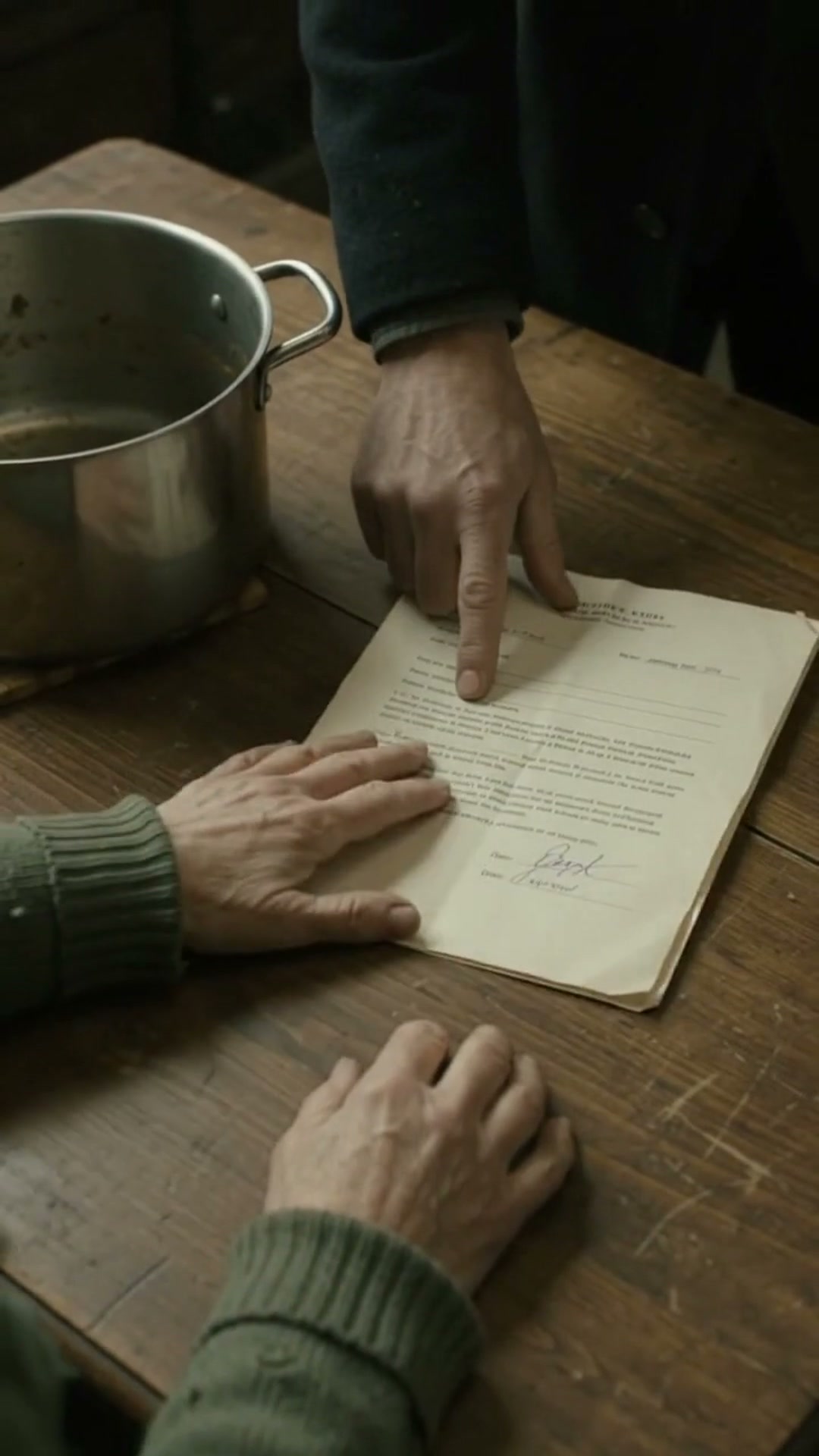
Among the paperwork was a financial support letter that supposedly showed I had agreed to make the education fund available to Vanessa for her personal use.
My signature appeared at the bottom.
It wasn’t mine.
The shape was close enough to fool a stranger.
But the final letter in my surname curved in a way I had never written it.
Neil leaned over the paper.
“Claire, where did she get this?”
Then I remembered the Christmas before.
Vanessa had asked me to sign a form authorizing her to pick up a prescription for our mother.
She’d held the paper against a clipboard, covering most of the text while I hurried to finish cooking.
I couldn’t prove whether that was connected, but I had learned my lesson about signing anything around my family without reading it carefully.
I called the real estate office named on an attached deposit receipt.
I explained that my financial information appeared to have been used without authorization in a proposed property transaction.
The agent couldn’t discuss Vanessa’s private application with me, but she agreed to accept a written statement and alert her supervising broker.
I sent the statement along with proof that the account belonged to me and that