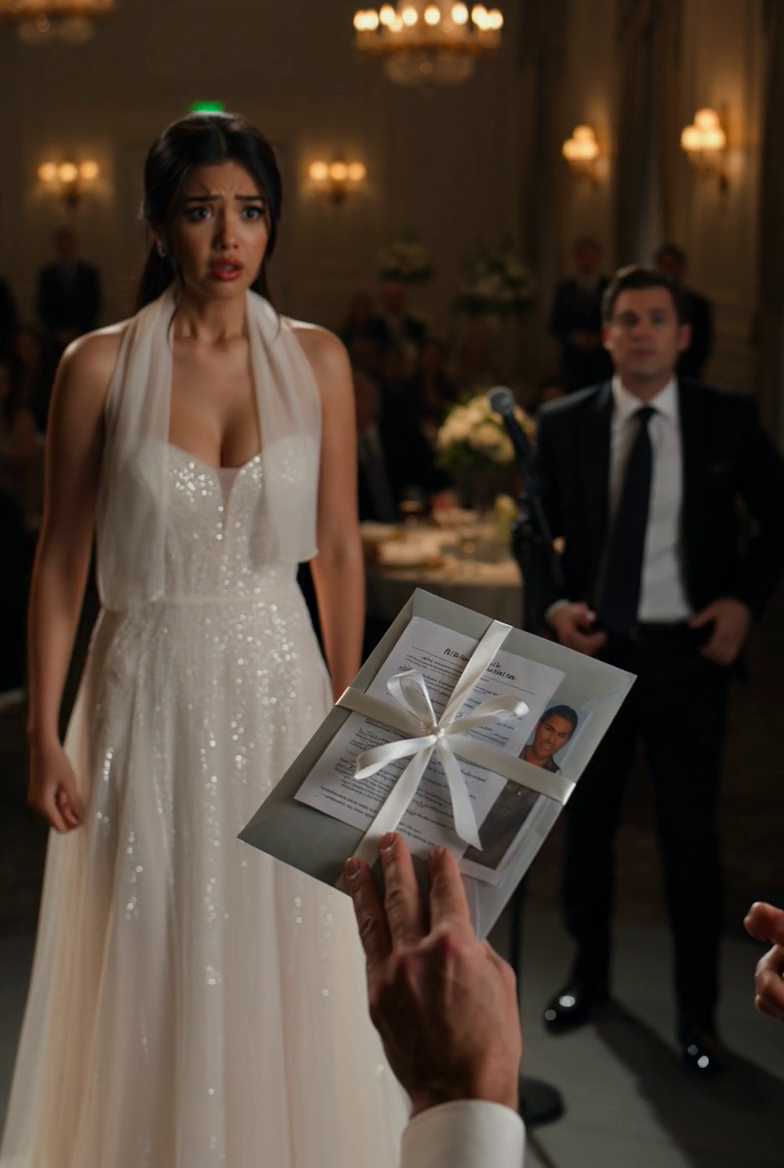
the weight of decisions nobody wanted to acknowledge.
As for the false certification bearing my signature, my attorney formally disputed it with the lender and demanded preservation of the electronic records used to prepare and submit it.
An independent document review found that the signature image had been copied from an earlier document and inserted into the certification.
William admitted he had signed the witness field without witnessing my signature.
Responsibility for creating and submitting the document became part of the lender’s review and subsequent legal proceedings.
I refused to speculate publicly about criminal guilt.
I wanted facts established through evidence, not family gossip.
My attorney pursued the misdirected fifty-eight thousand dollars through a formal repayment demand, supported by the transfer records and William’s written acknowledgment.
He eventually signed a repayment agreement.
That agreement didn’t repair our relationship.
It merely acknowledged the money he owed.
The legitimate travel agency had received thirty-five thousand dollars.
After the honeymoon was canceled, a portion of that deposit was refunded, while nonrefundable charges remained.
William arranged for the refunded amount to be returned to me as part of settling our finances.
I never attempted to recover the entire wedding contribution.
I had voluntarily paid those expenses, and I understood that generosity could not always be undone after regret.
But I made it clear that I would never again finance his lifestyle or sign financial documents on his behalf.
Six weeks after the wedding, William called me from a furnished apartment in Manhattan.
He and Veronica had separated.
Their attorneys were reviewing the prenuptial agreement and the circumstances surrounding the financial disclosures.
I didn’t ask for every detail.
‘Are you going to divorce?’ I asked.
‘I think so,’ he said.
‘We don’t trust each other anymore.’
I waited.
Then he added, ‘I know that sounds ridiculous coming from me.’
It was the first honest thing he’d said in months.
‘I don’t expect you to forgive me,’ he continued.
‘But I need you to know I’m ashamed of what I did.’
‘You should be,’ I answered quietly.
He accepted that without arguing.
Then I heard him take a long breath.
‘I was so busy trying to belong to that family that I forgot who had always been my family.’
I closed my eyes.
I wanted to tell him everything would be fine.
I wanted to reassure him, as I had done when he was a frightened child with a scraped knee.
But I knew that comfort given too quickly would teach him nothing.
‘William, I love you.
That hasn’t changed.
But loving you doesn’t mean protecting you from the consequences of your choices.’
He was silent for a while.
‘I understand, Mom.’
This time, I hoped he did.
Four months later, I received the last payment required under our repayment agreement for the diverted fifty-eight thousand dollars.
William had sold his luxury sports car, reduced his expenses, and used part of his savings and professional income to make the payments.
He sent the final payment with a short handwritten letter.
It didn’t blame Veronica.
It didn’t blame Patricia.
It didn’t claim he had been manipulated into doing things against his will.
Instead, it said that he had enjoyed being treated as someone important and had been willing to hurt someone who loved him to keep that