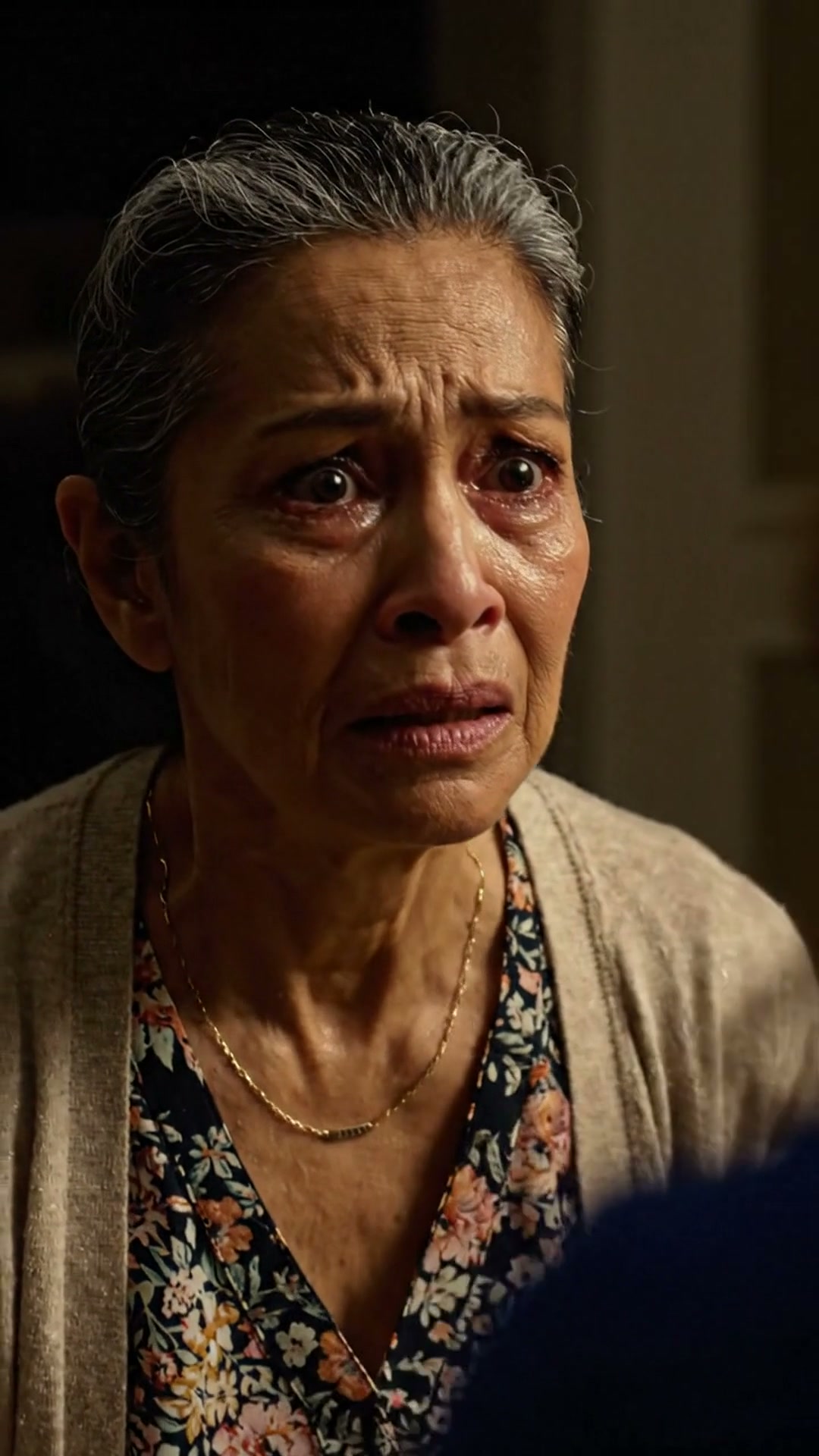
lived along Willow Lane before the subdivisions arrived.
On the first Saturday, children gathered beneath the old dogwood tree carrying little plastic watering cans.
One boy asked why a blue ribbon was tied around the climbing rosebush.
Amara knelt beside him.
“My mother put one there every spring.
She said it reminded her that something beautiful could survive a difficult season.”
The boy studied the flowers.
“Did she make this whole garden?”
“Most of it.
She worked on it for twenty-three years.”
“That’s a long time.”
Amara smiled.
“Yes.
And she never let anyone rush her.”
Later that afternoon, when the children had gone home, Amara remained outside by herself.
The house was quiet.
The old wooden porch steps had been repaired.
The orange survey stakes were gone.
The roses climbed freely toward the sunlight.
She stood before a small wooden plaque fastened beside the gate.
It carried only two words.
Louise’s Garden.
Amara adjusted the blue ribbon and brushed loose soil from her mother’s patched gardening gloves.
For the first time since the arrest, she realized she had spent an entire afternoon outside without looking toward the street whenever a car passed.
She turned back toward the roses.
There were still branches to prune, weeds to pull, and work to finish.
A four-star general could spend her life commanding armies.
But in her mother’s garden, she had learned the importance of another kind of strength: the ability to stand on her own ground and refuse to let someone else decide whether she belonged.
She picked up her shears, knelt beside the roses, and went back to work.