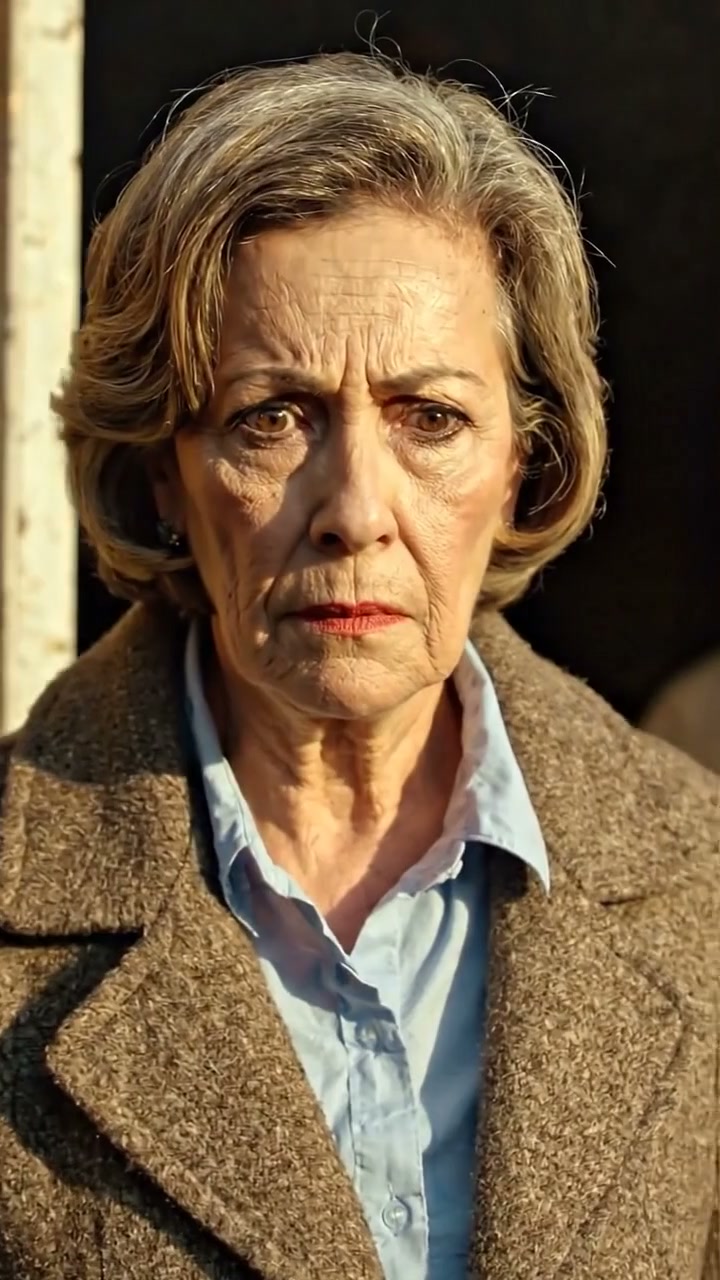
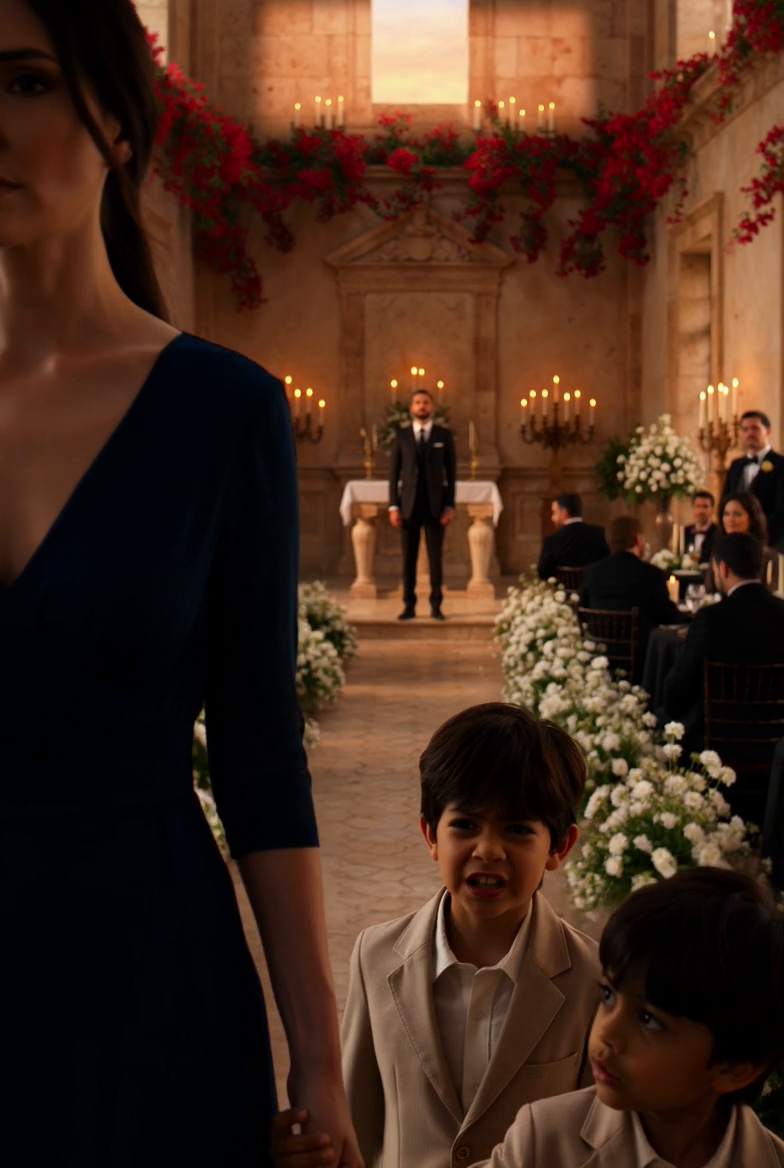
My aunt threw me and my six-month-old twin brothers outside because I used one extra scoop of baby formula.
Eleven weeks later, the woman who had done it stood in a courtroom trying to explain why she had spent thousands of dollars meant for our care while telling us there wasn’t enough money to feed us.
But the truth began on a July afternoon when I was eight years old, barefoot, and too frightened to leave my baby brothers alone.
My name is June Reed.
Before my parents died, I thought every child lived in a house where people said goodnight, checked the doors, and made sure nobody went to sleep hungry.
Our house wasn’t particularly large.
It had a crooked porch railing, a blue front door, and a kitchen window that stuck whenever the weather turned humid.
My father, Peter Reed, worked as a civil engineer.
My mother, Anna, was a respiratory therapist at a children’s hospital.
They weren’t famous or extraordinarily wealthy.
They worked hard, saved carefully, and planned for the future.
My favorite part of the day was watching Mom prepare bottles for my twin brothers, Leo and Miles.
She taught me to read the instructions on the formula can, measure the water correctly, and never guess at the amounts.
‘Babies can’t tell us what they need with words,’ she would say.
‘So we have to pay attention.’
I never imagined that lesson would become the most important thing she left me.
Everything changed on a rainy Thursday in April.
My parents were driving home from a family appointment when another vehicle crossed the center line on a highway south of Columbus.
They never came home.
I remember a police officer standing in our living room.
I remember the neighbor bringing soup.
I remember holding Leo while someone explained that Mom and Dad had died.
What I don’t remember is anyone asking what I wanted to happen next.
My father’s sister, Valerie, arrived two days after the funeral with her husband, Grant.
She hugged me in front of everyone and promised we would be safe.
‘Family takes care of family,’ she said.
I believed her.
For the first week, their house felt almost welcoming.
They lived in a spacious neighborhood outside Columbus, with a manicured lawn, a large deck, and framed photographs of expensive vacations.
My brothers were given a nursery upstairs.
I slept in a smaller bedroom beside the laundry room.
Valerie told everyone she was adjusting to the enormous responsibility of raising three orphaned children.
Neighbors delivered casseroles.
Church members brought diapers.
Someone collected gift cards for the babies.
Valerie accepted everything with tears in her eyes.
Then the visitors stopped coming.
And the rules began.
I wasn’t allowed to open the refrigerator without permission.
I couldn’t use the washing machine unless Valerie was home.
The babies’ diapers were counted every morning.
Grant complained about the electricity whenever Leo cried at night and I turned on a lamp to change him.
The air-conditioning upstairs remained off during the hottest afternoons because Valerie said we needed to understand the value of money.
Meanwhile, the downstairs living room stayed comfortably cool.
Grant had a new television installed over the fireplace.
Valerie ordered outdoor furniture for the deck.
They started planning a large summer party, complete with catered