general gave a broken smile.
“Not for a long time, Sergeant.”
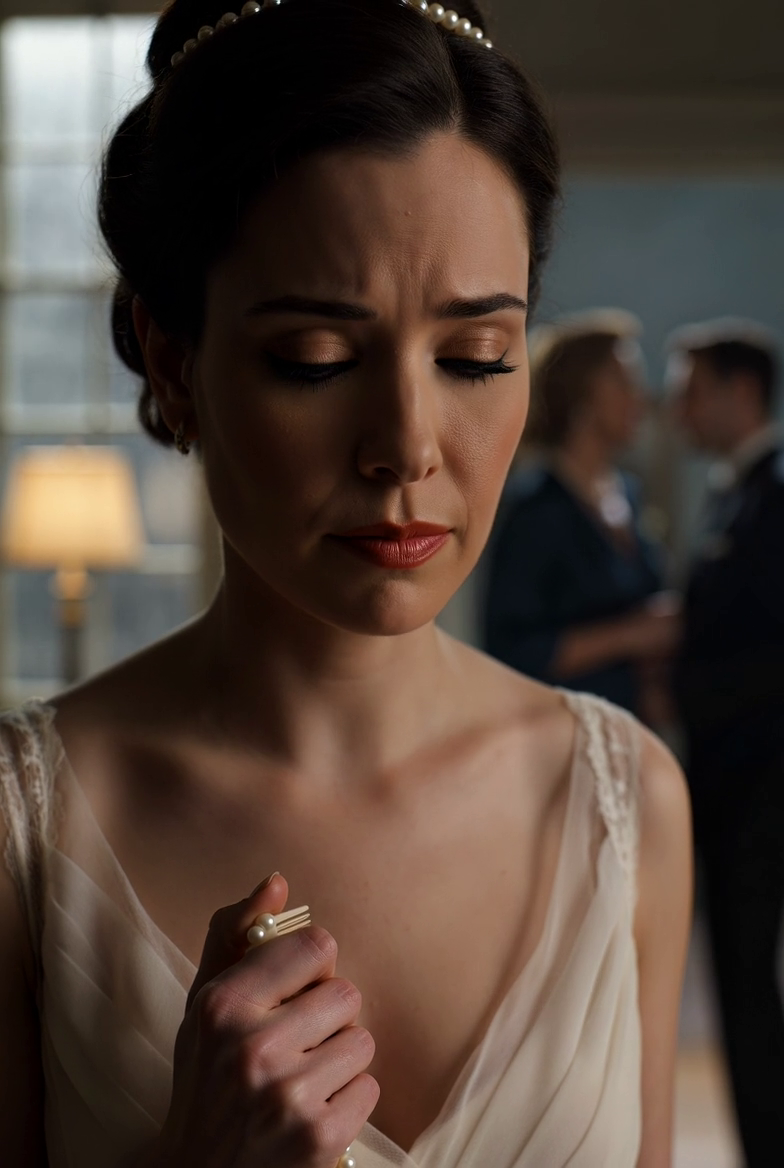
Elena’s bouquet slipped slightly in her hand.
“Dad?”
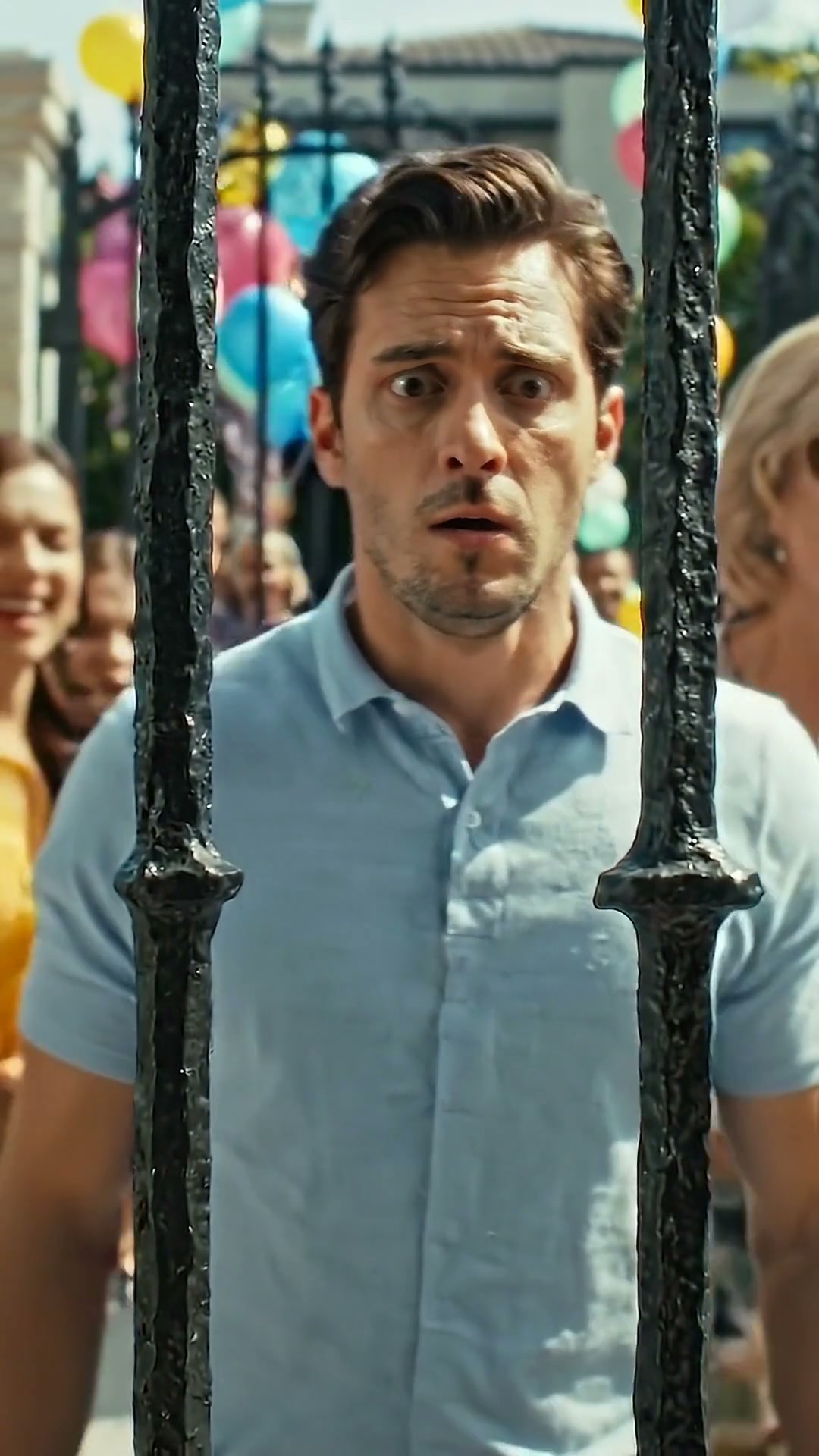
Tomás lowered his arm.
He looked almost embarrassed.
“I was in the Army before you were old enough to remember much of it.”
“You told me you worked vehicle maintenance.”
“I did some of that.”
General Reed gave a quiet laugh.
“That is technically true in the way saying a hurricane involves weather is technically true.”
Two officers entered carrying a narrow presentation case and several archival folders.
Reed turned toward Elena.
“May I tell her?”
Tomás looked at his daughter for a long moment.
Then he nodded.
Eighteen years earlier, Tomás had been a platoon sergeant deployed to Afghanistan.
Marcus Reed had been a young captain leading a convoy through a mountain route when an explosive attack disabled the lead vehicle.
Gunfire followed from elevated positions.
Reed’s vehicle rolled against an embankment and caught fire.
Several soldiers were trapped.
Tomás was already wounded when he reached the captain.
“He pulled me through a shattered door while ammunition was igniting inside the vehicle,” Reed said.
“Then he went back.”
Tomás looked away.
Reed continued.
“Again and again.”
Tomás organized the surviving soldiers behind cover, directed defensive fire, treated casualties, and crossed exposed ground to recover wounded men.
When an evacuation helicopter could not safely land near the ambush site, he coordinated movement to a secondary extraction point nearly two hundred yards away.
He carried Reed for much of that distance despite a fractured wrist and shrapnel embedded in his own shoulder.
Seventeen men survived.
“I woke in a military hospital asking where Sergeant Vega was,” Reed said.
“They told me he had refused evacuation until every man was accounted for.”
Elena stared at her father.
She remembered the pale scars running behind his left shoulder.
He had always said a piece of metal from a lawnmower had struck him years earlier.
“Why did you hide this from me?”
Tomás’s voice was quiet.
“Your mother was already frightened enough every time I deployed.
After she died, you needed stability.
I didn’t want war becoming the most important story in our house.”
He rubbed one thumb against the side of his hand.
“And I didn’t save those men so people would clap for me.”
General Reed’s expression hardened with affection.
“Which is exactly why you disappeared before anyone could properly thank you.”
The history was complicated.
Tomás had been recommended for the Distinguished Service Cross, but the action involved intelligence that remained restricted, multiple witness reports were separated during unit transitions, and portions of the recommendation stalled in administrative review.
Tomás later left the Army after injuries made continued service difficult.
His wife became ill several years afterward, and his priorities narrowed to one person: Elena.
He stopped pursuing the decoration.
He also resumed using Marquez, his mother’s surname, rather than Vega, the surname appearing in several older military records.
He moved, changed telephone numbers, avoided social media, and never applied for several veterans’ programs that might have placed a current address in databases accessible to the people reviewing his case.
Marcus Reed did not forget.
As his career advanced, he kept asking what had happened to Sergeant Tomás Vega.
The review was reopened when another survivor submitted a journal and photographs confirming