at Dad.
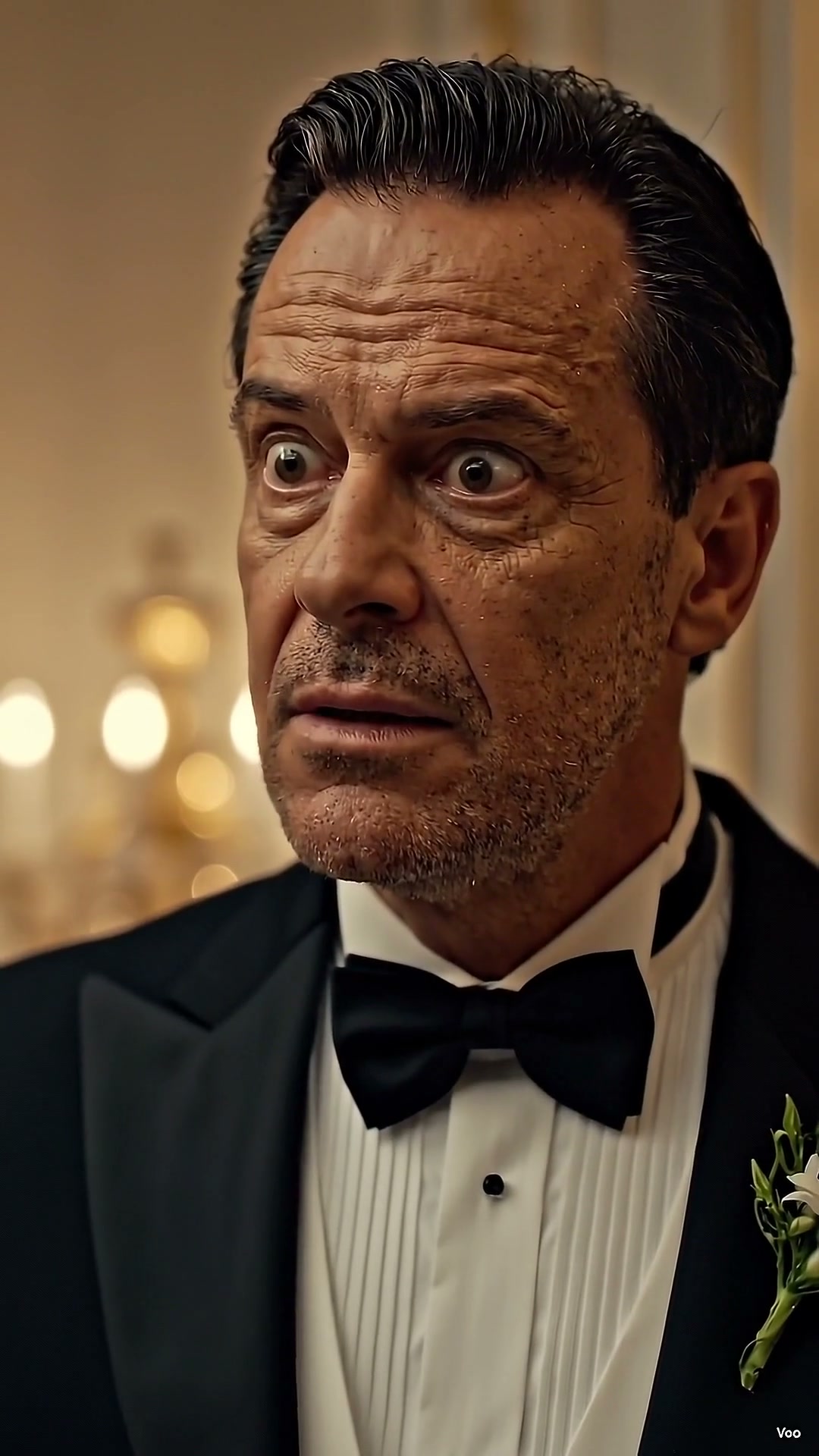
He was staring at Conrad.
“I never authorized that,” he said.
Miriam turned the document around.
A signature appeared beneath Thomas Calder’s typed name.
Dad looked at it once.
“That’s not mine.”
Nobody spoke.
Conrad’s expression stayed controlled, but his right hand closed around a pen.
Helen asked, “Who submitted this?”
Miriam checked the routing line.
Her face lost color.
“It came through the chairman’s office.”
Evan stepped away from the wall.
“Dad?”
Conrad looked at his son.
“You have no idea how complicated this is.”
“Then explain it.”
It was the first sentence Evan had spoken that morning that wasn’t directed at me.
Conrad turned back to the board.
He argued that the transfer had been part of a broader capitalization plan meant to prevent dormant legacy shares from blocking future financing.
Dad listened.
Then he asked one question.
“Did I sign it?”
Conrad didn’t answer.
“Did Maya sign anything?”
Again, nothing.
Dad nodded toward Miriam.
“Then freeze the restructuring vote.”
Helen agreed immediately.
Two other independent directors followed.
Conrad objected, but the momentum had shifted.
The board voted to postpone the restructuring and authorize an independent review of the disputed transfer.
For the first time since I met him, Conrad Voss looked powerless in his own conference room.
Yet the victory didn’t feel satisfying.
Because Evan was staring at the forged authorization as though something much larger than his father’s authority had cracked in front of him.
Outside the boardroom, he stopped me.
“I didn’t know about the transfer.”
“I believe you.”
He looked relieved.
Then I finished.
“But you knew about the check.”
His relief disappeared.
“Maya—”
“That’s the part you keep trying to move past.”
“I was going to stop them if things went too far.”
“They handed me a separation agreement.
How much farther did you need?”
He looked down.
I had once loved that thoughtful pause in him.
I used to think it meant he considered every word carefully.
Now I understood that sometimes hesitation was simply fear wearing a respectable suit.
“I thought if I challenged my father at dinner, he’d make everything worse,” Evan said.
“So you let him make it worse for me instead.”
He had no answer.
Three weeks later, the independent review delivered its findings.
The disputed transfer had originated from a restructuring initiative approved verbally by Conrad but executed by a senior legal officer who claimed he believed authorization would be obtained later.
Investigators found no evidence that Dad had consented.
The transfer was reversed.
The company’s outside counsel resigned.
The board stripped Conrad of unilateral authority over shareholder-record changes pending broader governance reforms.
He remained a director but resigned as chairman after losing support from several independents.
Dad could have taken the chair himself.
He refused.
Instead, he voted for Helen Park, one of the independent directors.
“I don’t want his chair,” Dad told me afterward.
“I wanted the records corrected.”
Conrad eventually called him.
I was with Dad when the phone rang.
They spoke for eleven minutes.
Dad never raised his voice.
When it ended, I asked whether Conrad apologized.
“In his way.”
“Which means?”
“He explained himself for ten minutes and apologized for one.”
I laughed despite everything.
Lila never apologized to me directly.
She sent a handwritten note saying the dinner had