then exhausted.
Finally, the full story emerged.
He had signed the Cambridge lease before all financing was committed.
Construction expenses rose.
One investor withdrew after discovering costs were being shifted between entities.
Miles covered shortages with credit.
He delayed payroll taxes.
Several vendors stopped supplying his original restaurant.
The new restaurant was not a promising project experiencing a temporary obstacle.
It was already collapsing.
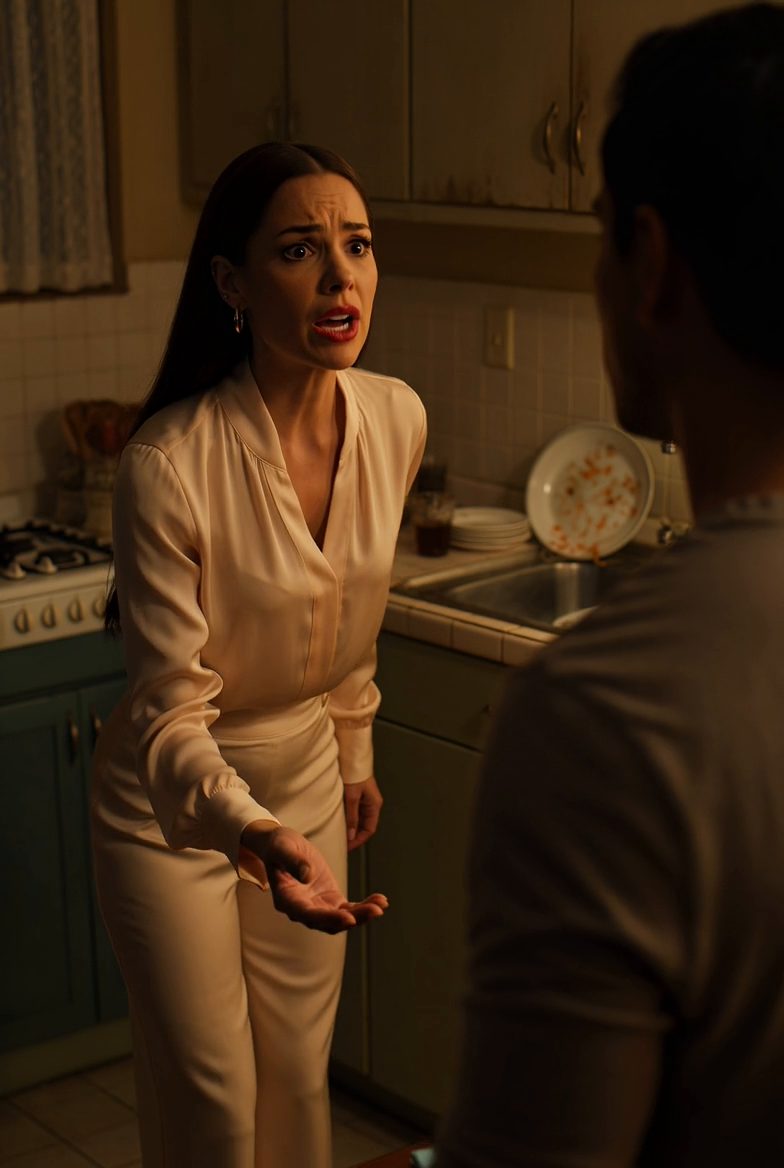
“Were you ever going to tell me?” I asked.
“I was trying to fix it before you had to know.”
“By putting my house at risk without telling me how bad it was?”
“I would have fixed it.”
“You don’t know that.”
“You never believe I can do anything.”
I closed my eyes.
The old version of me wanted to comfort him.
Instead, I said, “Your father left me a letter about this.”
He went quiet.
I read Daniel’s sentence aloud.
If he has built something sound, it will survive without risking your home.
If he has built something unsound, your home will not save it.
Miles did not speak for several seconds.
Then he hung up.
That afternoon, I removed him from the emergency account.
Samuel confirmed that the trust would operate exactly as Daniel intended.
No early distribution.
No special exception.
No private pressure campaign.
Then came the hardest part.
I stopped intervening.
For a mother who had spent thirty-four years trying to keep pain from reaching her child, doing nothing felt almost violent.
But I did nothing.
I did not pay the overdue vendors.
I did not call the landlord.
I did not lend money through a friend.
I did not quietly transfer cash and pretend it had come from somewhere else.
Three weeks later, the Cambridge expansion failed.
Miles’s company entered restructuring.
The new location never opened.
He sold his luxury SUV, moved from his expensive apartment, and began liquidating personal possessions.
Camille left him less than a week after the restructuring became public.
I was not surprised.
What surprised me was what Miles learned afterward.
Two months passed without a call.
Then one rainy Thursday, my doorbell rang.
Miles stood outside alone.
His coat was old.
His hair was wet.
He looked ten years older than he had at Sunday dinner.
“Can I come in?” he asked.
I stepped aside.
He walked into the dining room and stared at the chair where he had sat that night.
“I remember what I said to you.”
“So do I.”
He swallowed.
“I said it because I wanted to hurt you enough to make you change your mind.”
That admission was painful.
But it was also honest.
He sat down.
“Every time something went wrong before, someone fixed enough of it that I could tell myself I had been unlucky.
Dad helped.
You helped more.
Investors helped.
Friends helped.
I never had to find out what happened when I ran out of people to blame.”
I stayed quiet.
“This time,” he continued, “I found out.”
He told me the original restaurant had survived but only after he gave operational control to an experienced restructuring manager.
Miles had taken a salary and accepted that his ownership could be diluted.
He was working six days a week.
No expansion plans.
No investor dinners.
No grand vision.
Just work.
Then he slid an envelope toward me.
Inside