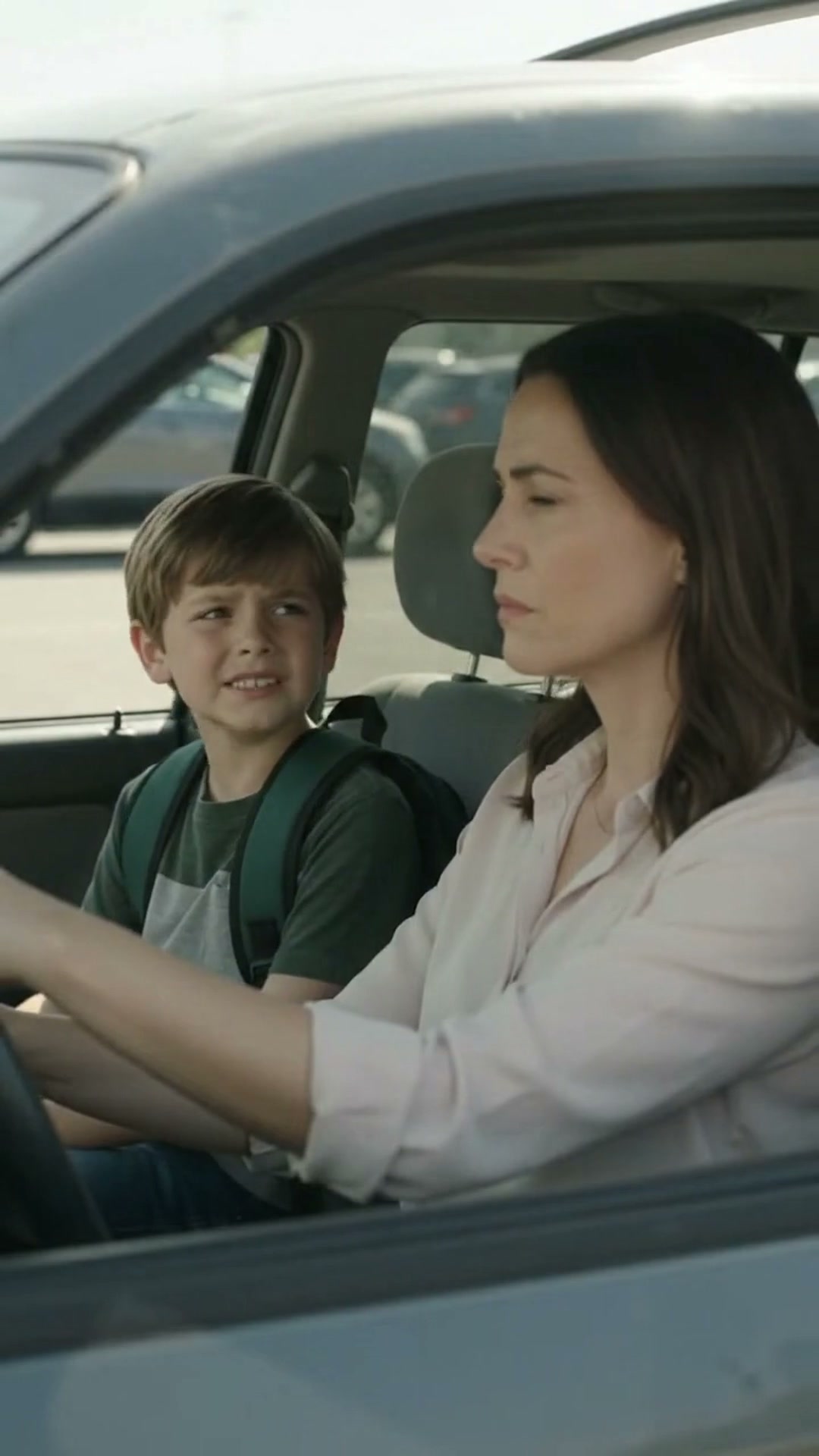
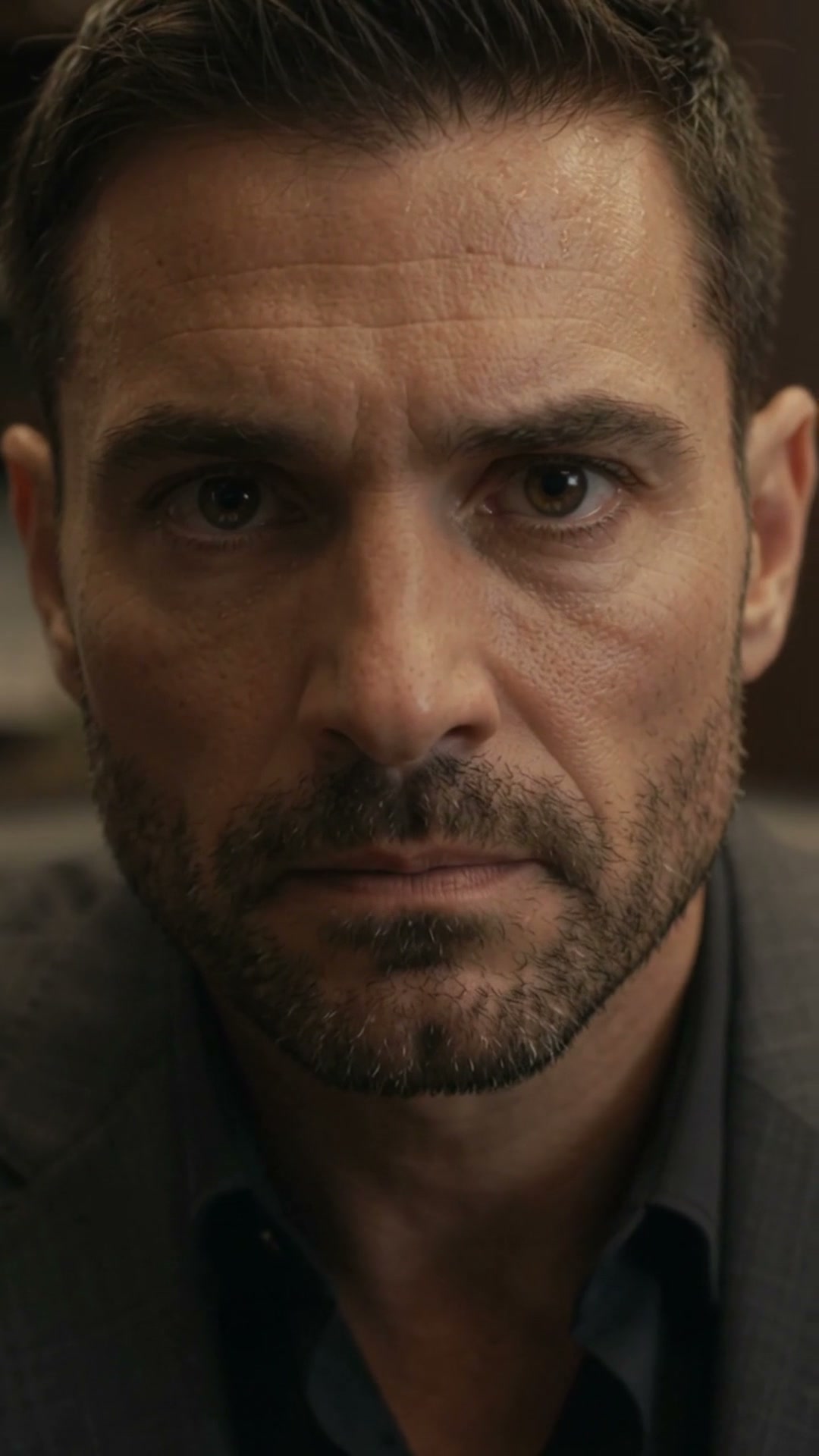
He was considerably less enthusiastic when it made him feel less important.
After they married, he encouraged her to leave her job and help with his rapidly growing medical freight business.
She improved internal routing models, reviewed contracts, and quietly repaired mistakes that would otherwise have cost his company substantial money.
But at dinners, Graham introduced her simply as his wife.
The engineers were always his engineers.
The ideas were always his ideas.
And Elena, who had mistaken being needed for being loved, stopped correcting him.
That evening in intensive care, Graham pulled a legal envelope from his briefcase.
“I’ve decided we should separate,” he said.
Elena stared at the envelope.
“While I’m here?”
“There isn’t going to be a convenient time.”
“I might deliver these babies early.”
“Which is exactly why I need to protect myself financially.”
Her mouth opened, but no words came.
Graham continued explaining how his company could not afford distractions.
Investors wanted stability.
His business depended on confidence.
He could not spend the next several years managing medical crises and a house full of children with unpredictable needs.
Then he said something Elena would remember with painful clarity.
“I need a wife who can build a future with me, not someone whose future is a hospital bill.”
He left the separation documents on the bedside table.
Before going, he picked up her laptop from the chair beside the window.
“I need this for the company files,” he said.
“Graham, that’s my computer.”
“I’ll return it.”
He never did.
By the following morning, he had withdrawn most of the money from their joint checking account.
He stopped answering Elena’s calls and instructed his attorney to handle future communications.
Two days after he left, Elena’s condition deteriorated sharply.
Doctors temporarily sedated her while they stabilized her breathing and monitored the babies.
At 3:12 that morning, according to a document Elena would not discover until years later, she supposedly signed away ownership of the medical transport software she had developed before her marriage.
But Elena had no memory of signing anything.
She wasn’t conscious enough to have done so.
On November 3, 2021, her triplets arrived by emergency cesarean delivery.
Iris weighed just over three pounds.
Theo was smaller.
Miles needed respiratory support for several weeks.
Elena saw them for the first time through the clear plastic walls of their incubators.
She had never felt so frightened or so determined.
A neonatal nurse named Marisol Vega helped her touch Iris’s fingers through the opening in the incubator.
“She’s stronger than she looks,” Marisol whispered.
Elena looked at the other two incubators.
“They all have to be.”
Marisol stayed beside her long after her shift should have ended.
It was Marisol who eventually brought Elena a secondhand notebook, a phone charger, and a warm blanket when she realized no family members were coming.
It was also Marisol who helped her contact a hospital social worker, a legal aid service, and a support group for parents of premature babies.
The next three months were exhausting.
Elena recovered slowly from her illness and surgery.
The children remained hospitalized while they learned to feed, breathe reliably, and maintain their body temperatures.
Graham knew they had been born.
Legal notices reached him.
So did photographs transmitted through his attorney at Elena’s request.
He