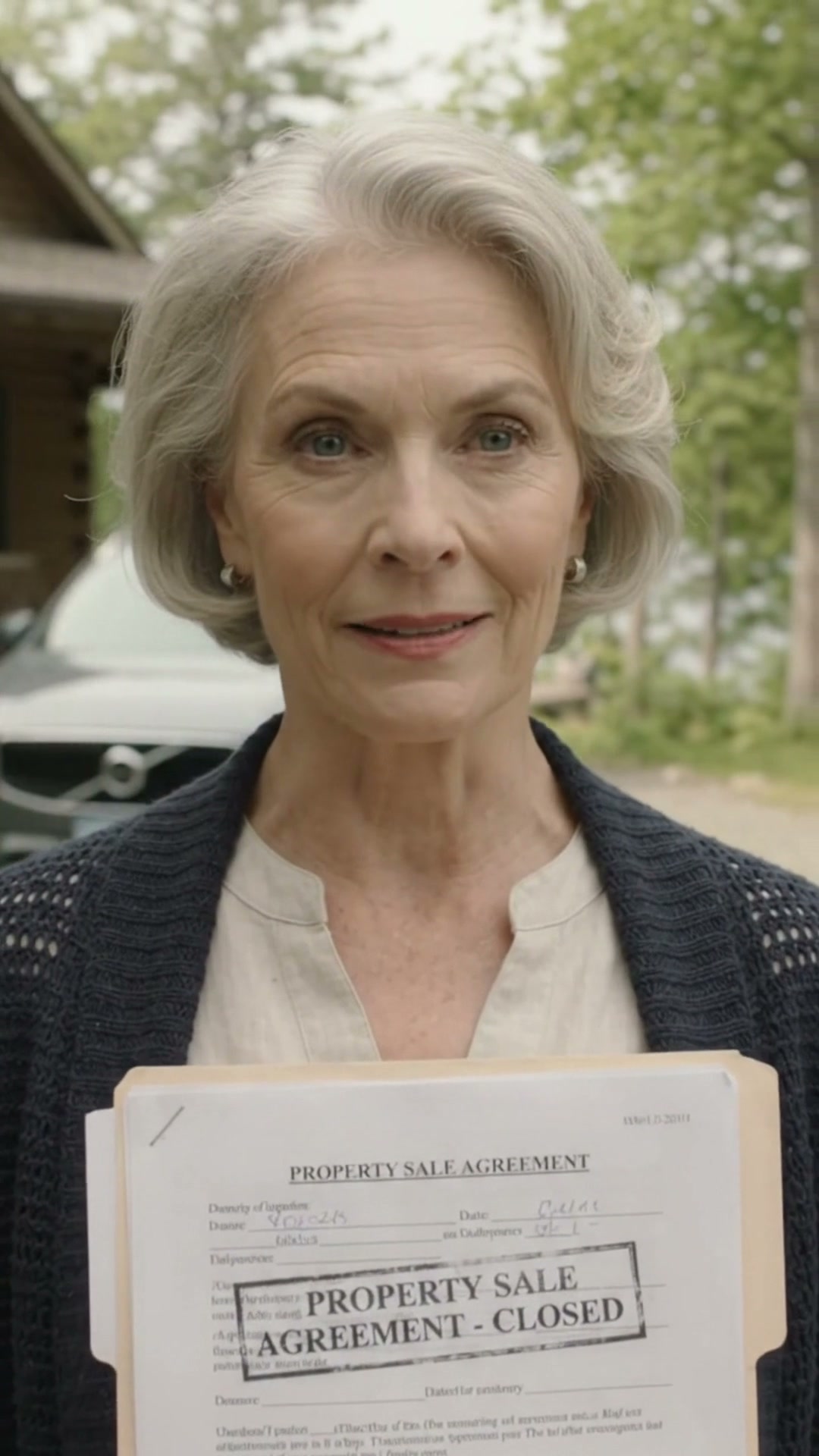
became someone Elena trusted.
Their relationship changed slowly.
He took her to dinner after difficult board meetings.
He remembered the triplets’ birthdays.
When Theo was frightened during a thunderstorm, Adrian sat on the living room floor helping him construct a cardboard spaceship.
He never tried to purchase affection with extravagant gifts.
He learned which child disliked strawberries, which one needed the hallway light left on, and which one believed every adult should be able to identify at least ten dinosaurs.
By the spring of 2026, he and Elena had been together for more than a year.
The children called him Adrian.
He was comfortable with that.
Their family was growing through trust rather than through anybody’s demands.
Meanwhile, Graham Sloane’s business was beginning to collapse.
His company had secured eight million dollars in financing after representing that it owned valuable proprietary medical routing technology.
But its newer projects were expensive, several customers had canceled contracts, and loan repayments were approaching.
A major investor had begun demanding an acquisition or restructuring.
Graham believed Adrian Vale’s investment group could provide the answer.
For six months, he sent proposals through bankers and intermediaries, offering to sell his business and its software portfolio.
He had no idea Elena was one of the people reviewing the proposed transaction.
Adrian’s team initially treated Sloane Medical Freight as an ordinary acquisition candidate.
Then a junior diligence analyst noticed something unusual.
One software module in Graham’s licensing records contained architecture that closely resembled a publicly documented early LanternLine research model.
The analyst flagged the overlap.
Elena reviewed the technical materials and immediately recognized a distinctive routing calculation from her 2019 prototype.
She remembered writing that calculation on a rainy Sunday before she and Graham were married.
It contained a deliberately unusual correction for refrigerated transport delays, a small adjustment she had tested years earlier with a former colleague.
The correction was not proof of ownership by itself, but its presence was enough to justify further investigation.
Elena requested the full chain of title for the software Graham claimed to own.
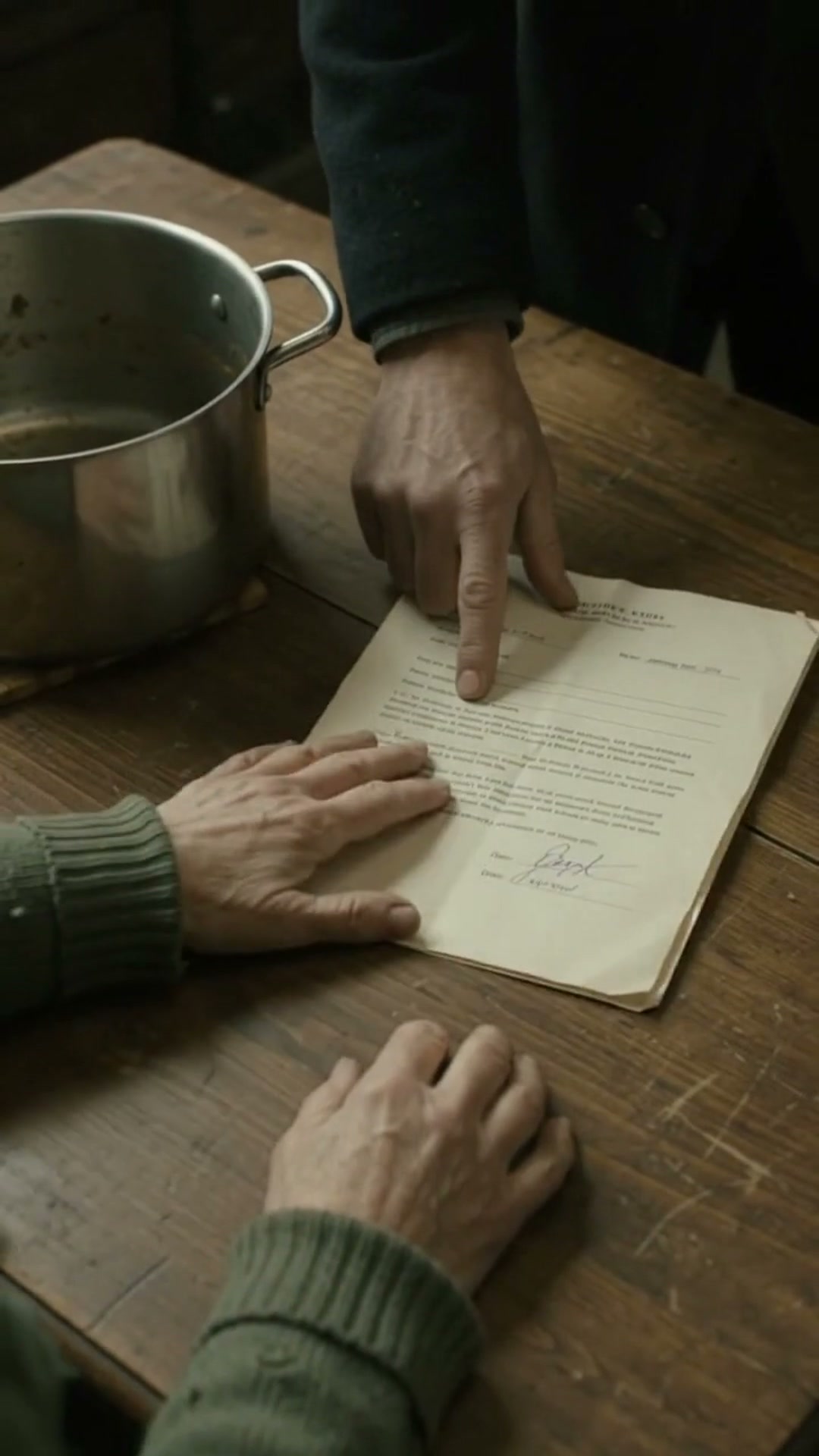
Three days later, a document appeared in the due diligence folder.
An intellectual property assignment.
Dated October 14, 2021.
Signed, supposedly, by Elena Sloane.
She stared at the date until the screen blurred.
That was the night she had been sedated in intensive care.
Her hands grew cold.
Adrian, sitting across the conference table, noticed immediately.
“Elena?”
She turned the laptop toward him.
“This signature isn’t mine.”
His expression changed.
“Are you certain?”
“Absolutely.
And I know where I was when somebody claims I signed it.”
Instead of confronting Graham immediately, Elena contacted her attorney, Rebecca Shaw, a specialist in commercial litigation and intellectual property disputes.
Rebecca advised them to preserve the acquisition records, stop substantive negotiations, and begin gathering independent evidence.
Elena located her original repository backups, archived emails, and contemporaneous messages with the colleague who had tested her prototype in 2019.
Her medical providers supplied records through the appropriate authorization process.
Those records established her condition and the medication administered during the period in question.
Rebecca also obtained expert analysis of the signature and reviewed the legal structure of the alleged assignment.
One discovery was particularly troubling.
A consulting company had received $840,000 shortly after Graham secured his eight-million-dollar financing.
The consulting company’s owner was Arthur