dinner.”
Evan replied before I had returned the phone to my pocket.
“You can’t abandon thirty-four people over a mood.”
Sadie called.
She didn’t ask whether I was well.
She wanted to know what a caterer would cost at the last minute and who would pay for it.
“The people who invited the guests,” I told her.
“You’re being selfish.”
“I am being unavailable.
Those aren’t the same thing.”
There was a sharp breath on the other end, the familiar sound she made when she thought her disappointment should end an argument.
I waited.
She hung up.
I drove to Durham the next morning.
My friend Ada had lost her husband eight years before I lost Paul, and we had developed a quiet system of keeping each other company without demanding entertainment.
She made coffee.
I brought the good jam.
We had intended to eat Thanksgiving lunch at a small community gathering, then watch old detective films in our socks.
At 8:14 on Wednesday morning, my phone announced a property-monitoring alert.
I had subscribed after a neighbor dealt with an attempted title scam.
At first, I assumed the county had indexed some old survey.
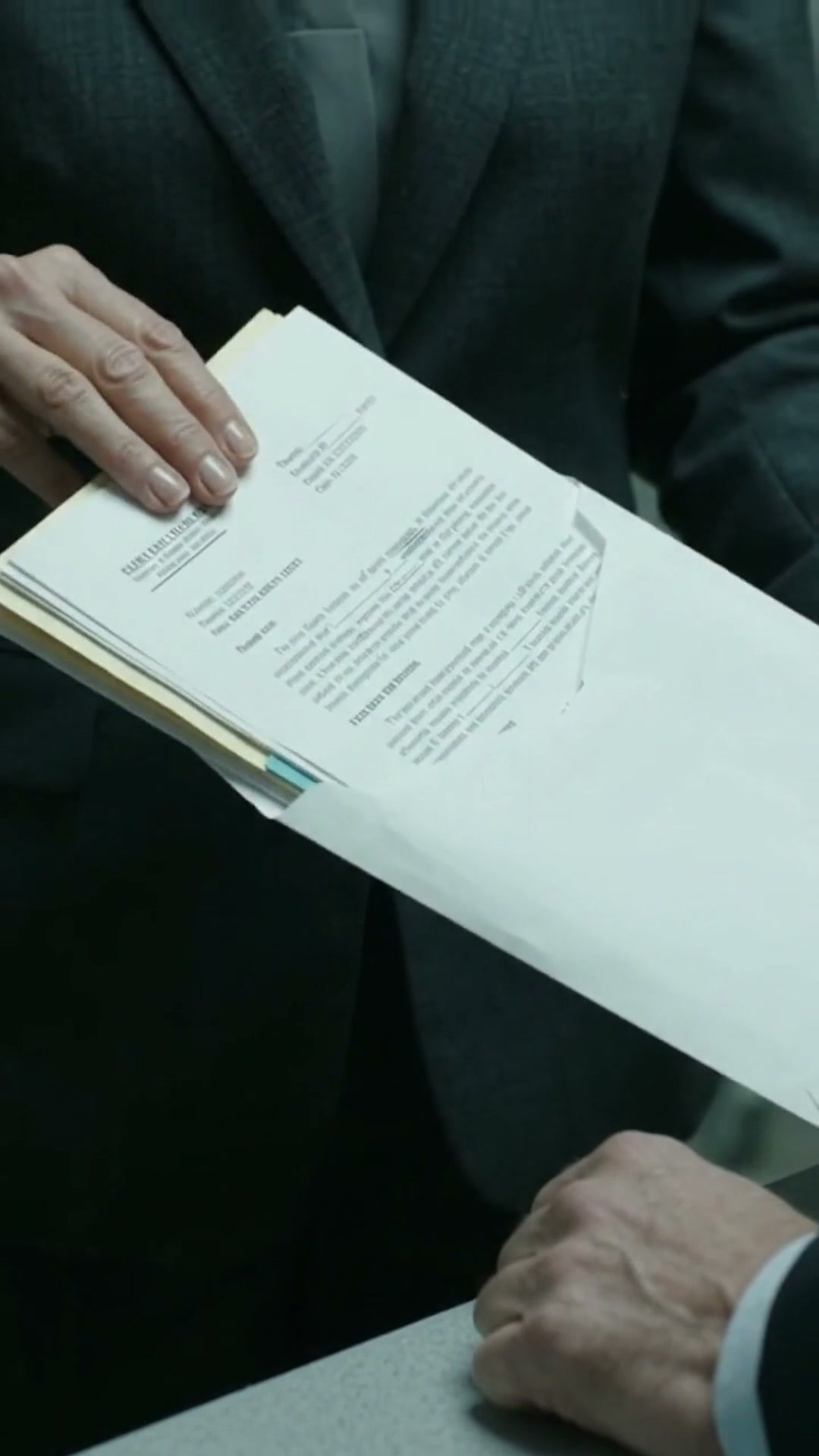
Instead, the attached document was a deed transferring my farmhouse and eleven acres to Laurel Ridge Kitchens LLC.
It identified Sadie as the person signing for me under a special power of attorney, supposedly executed seventeen days earlier in Charlotte.
The recorded transfer stated only nominal consideration.
I looked at the name of the company.
Laurel Ridge was what Evan wanted to call his next commercial kitchen.
Then I looked at the supposed power of attorney.
There was a version of my signature at the bottom, too heavy at the first stroke, as though someone had traced the letters slowly.
I had never seen the document.
I had not been in Charlotte on the date written beside it.
I had been teaching a fundraising class in Asheville.
Fifty-eight people had watched me burn the first pan of cornbread.
A photographer had captured the smoke, the laughter, and my flour-covered hands.
Someone posted a video online afterward.
The whole afternoon was recorded by friends who teased me about it for weeks.
My first impulse was to call Sadie and ask what she had done.
Instead I remembered Paul sitting at our kitchen table after Evan’s previous business collapsed.
“When people are frightened of losing money,” he had told me, “some of them start believing promises they never had the right to make.”
I called Leila Grant, the attorney who had handled Paul’s estate.
She listened without interruption.
Then she asked me to forward every page, including the filing information and the page identifying the person who prepared the deed.
“Don’t confront them yet,” she said.
“A recorded document is not proof that the signature or authority is valid, but we need to find out what they’ve sent to other people.”
For the next several hours, Ada and I sat at her kitchen table while Leila worked.
She contacted the title office and the lender identified on another document in the filing packet.
The bank had received an application for a $275,000 loan secured against my debt-free property.
Its closing was pending review of the claimed authority and title.
Leila sent the lender my signed statement disputing the