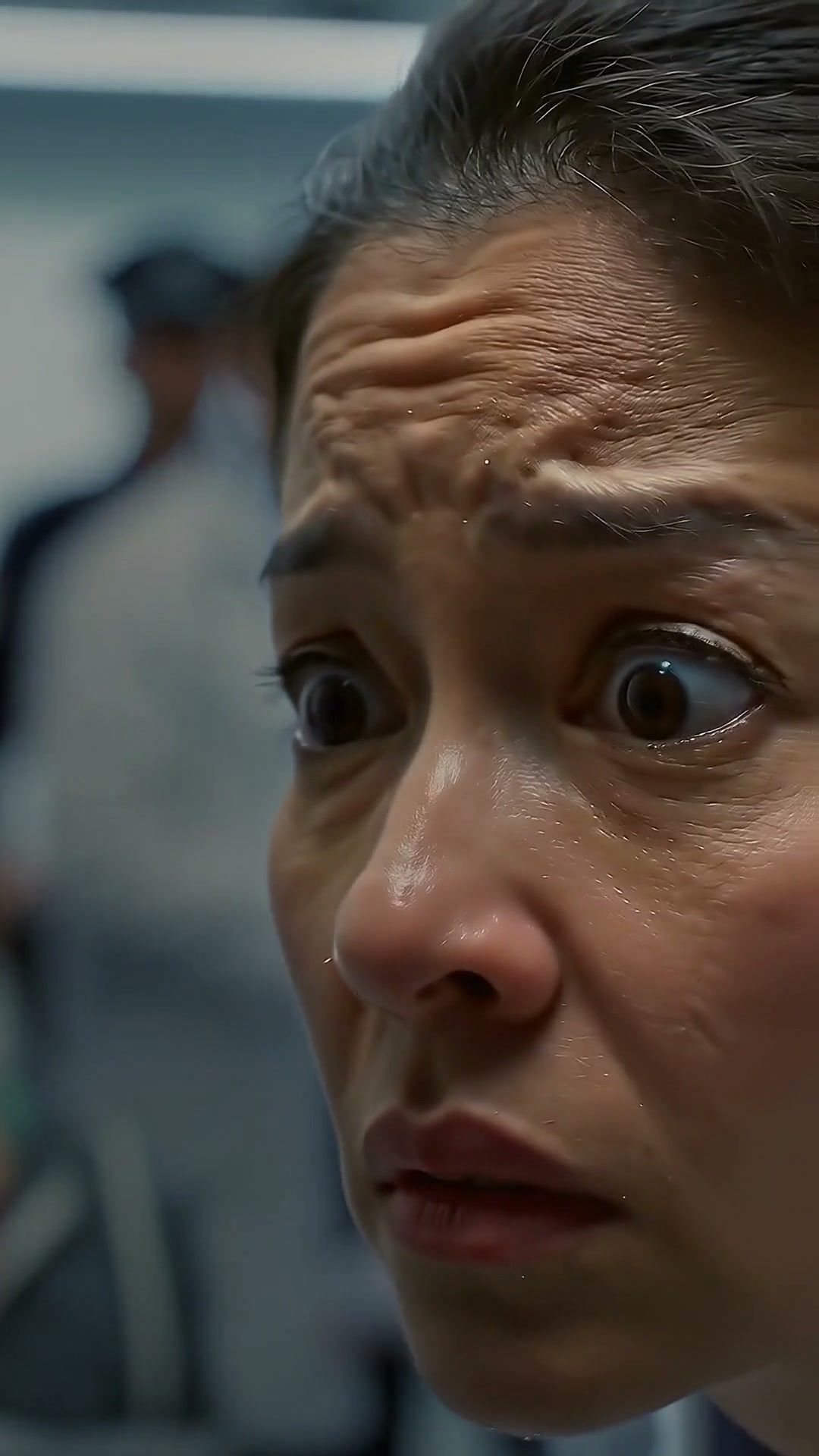
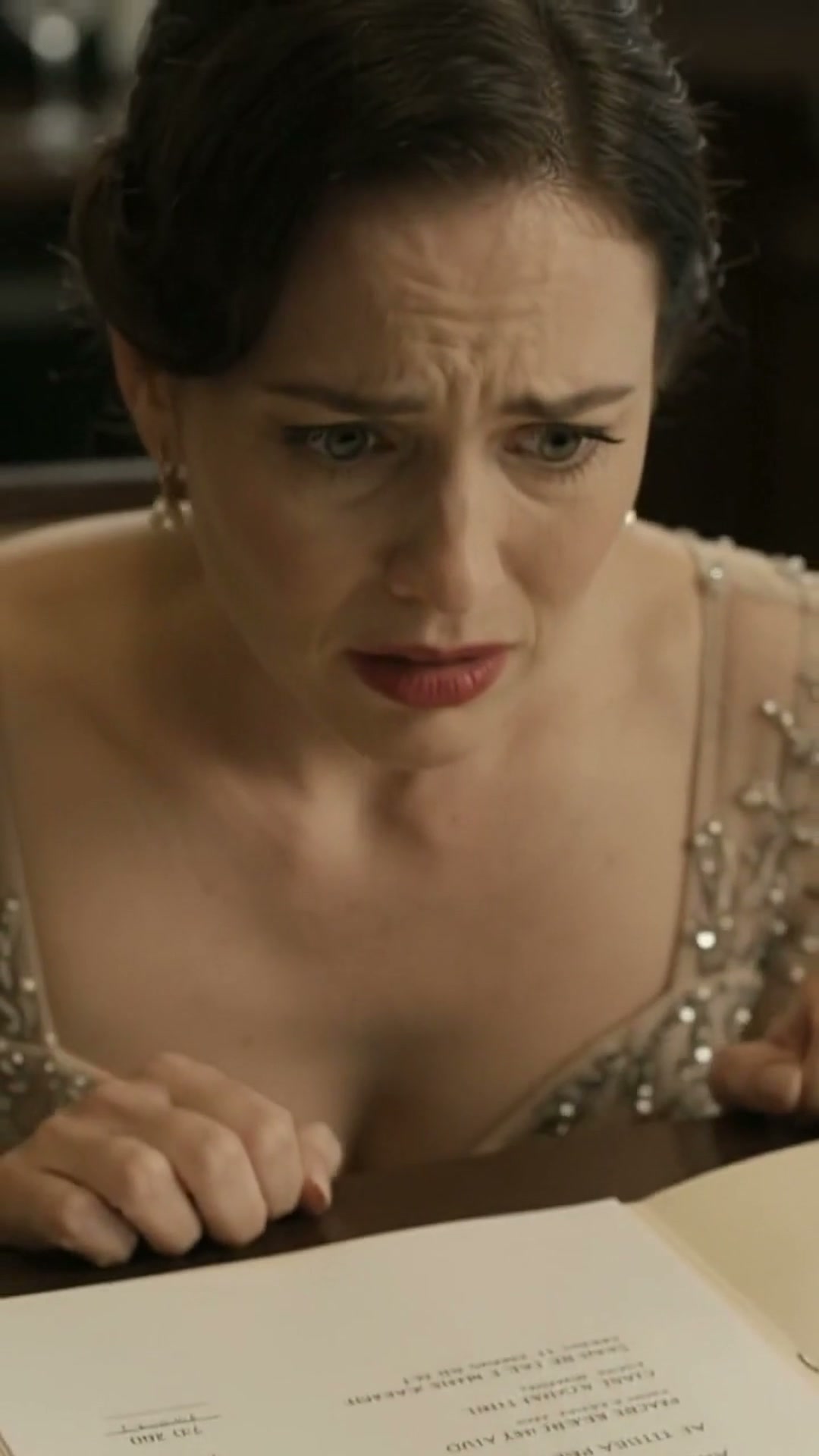
“Miriam, I think your lawyer needs to see another part of that loan file.”
Evan went absolutely still.
“June,” he said softly.
“Don’t.”
“They promised the lender more than the house,” she said.
“They made a separate promise about the back acreage.”
I had owned the lower orchard since the day Paul and I married.
He had restored the old stone wall a few feet at a time every spring.
Beyond it was a narrow strip of land that connected our property to the county road.
Without that strip, a commercial kitchen complex on the neighboring parcel would have had no practical service entrance.
Leila didn’t ask June to explain everything in front of the guests.
She gave her a card and asked whether she would be willing to speak privately later.
June nodded.
Then she looked at me and said she was sorry she’d stayed quiet so long.
Outside, under the bare pear trees, I finally asked Leila whether my house was already gone.
She answered carefully.
The recorder’s office had accepted a document for recording; that did not cure a forged authorization.
We had strong grounds to challenge it, but the correction would require evidence and legal action, not a dramatic announcement over dessert.
We went back to Ada’s house that evening.
It was the first Thanksgiving in decades when I had eaten only what someone else set in front of me: a turkey sandwich wrapped in waxed paper at a roadside cafe.
I remember tasting the mustard and thinking how strange it was to enjoy a holiday meal without worrying whether anyone had enough gravy.
The next morning, June met Leila at her office.
She brought emails and a draft term sheet she had retained from her work for Evan’s company.
Evan had approached a neighboring developer about a service-access easement across the lower orchard.
In return, the developer had offered an advance against future catering contracts.
Evan had represented that his company either owned the property or would control it before construction began.
The unsigned draft did not prove the land had been conveyed.
But it explained the urgency.
Evan wasn’t merely trying to borrow against the farmhouse.
He had built an entire business plan on property he did not own and on signatures he had no right to use.
Leila referred June’s documents to the lender’s investigator.
Meanwhile, records from the notary named on the power of attorney raised another problem.
The notary confirmed that she hadn’t met me.
The seal impression appeared to have been reproduced from a legitimate document in an earlier transaction; how it reached the new packet became part of a separate inquiry.
Then came a more intimate piece of evidence.
A scanned insurance form Sadie had asked me to sign the previous summer had the same peculiar blot at the start of my name as the purported power of attorney.
I remembered the pen leaking on the old oak desk.
The shape of the signature, right down to the ink defect, had been transferred to the document that gave Sadie authority I never granted.
None of these discoveries made me cheerful.
I had spent years defending my daughter to relatives who considered her irresponsible.
Now I was gathering documents to show a judge that she had used my love to