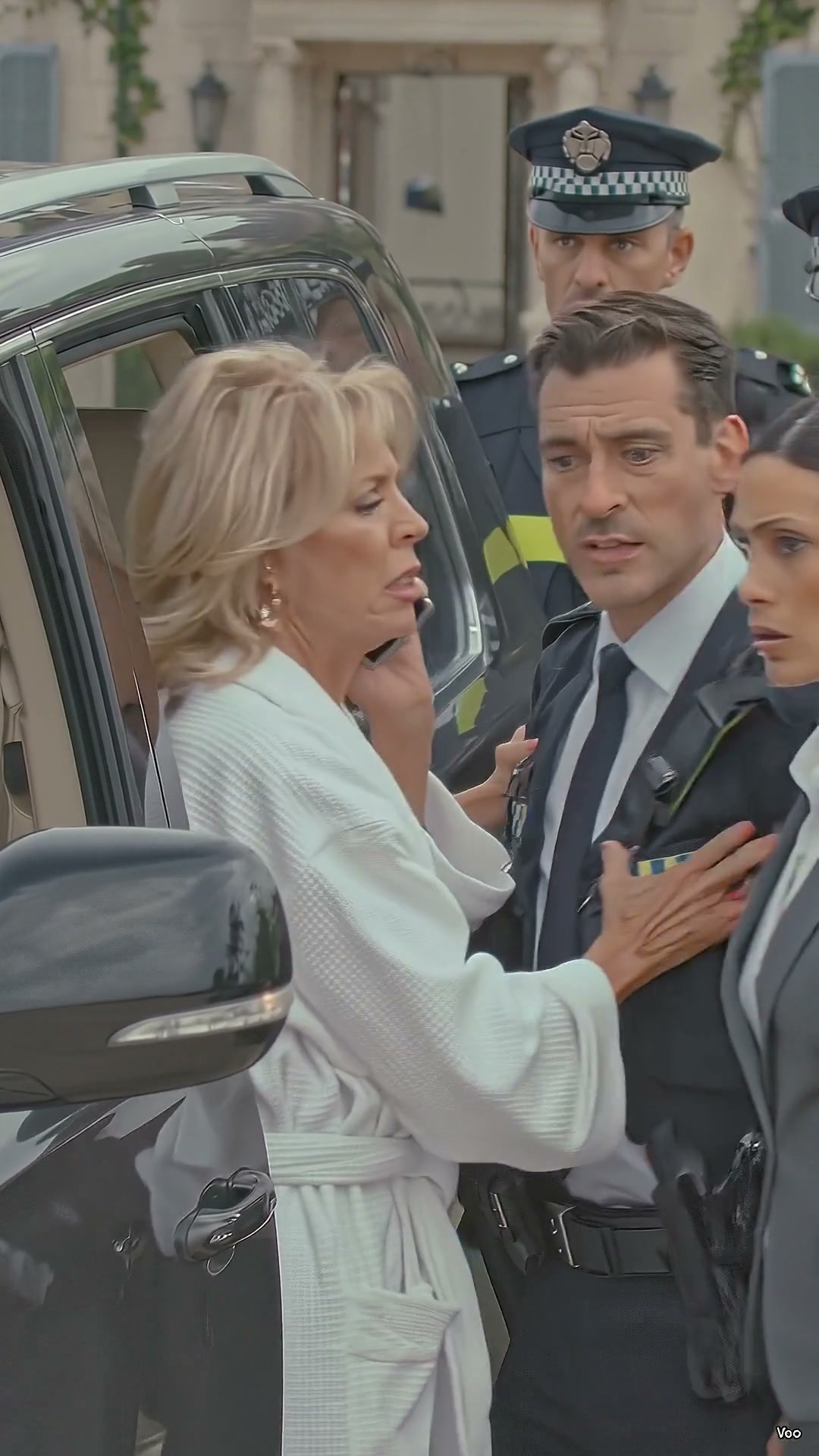
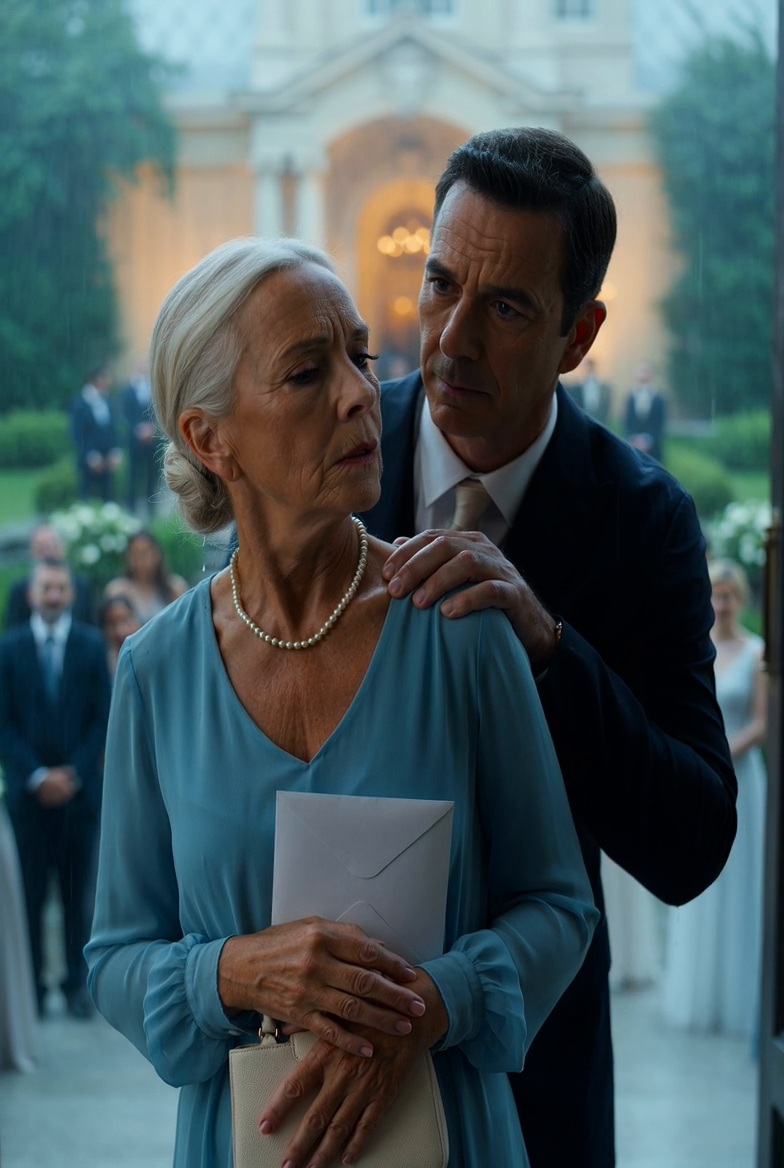
The pistol appeared between my mother’s face and mine before my stepfather finished calling me a liar.
“You made the whole thing up,” Martin Kessler said.
“The investigators.
The missing money.
All of it.”
The barrel was close enough for me to see a faint scratch along its dark finish.
Behind me, my mother pressed herself against a washing machine, her hands knotted around a yellow envelope.
Rain battered the narrow windows of the laundry room, and somewhere upstairs a loose door kept striking its frame in the wind.
I had spent thirteen years examining financial crimes for the federal government.
I had interviewed people who stole from hospitals, falsified disability claims, and used charities to turn public sympathy into private wealth.
But I had never faced a pistol in a room where my mother was standing.
“Martin,” I said carefully, “you need to put that away.”
“You need to admit you’re lying.”
My name is Audrey Calder.
I was forty years old that November, and I had returned to Harrow Creek, Kentucky, for one reason: to bring my mother safely out of the life she had been too frightened to leave.
I had not expected to discover that the man who controlled her was also stealing money intended to help homeless veterans.
And I certainly had not expected the biggest threat to his freedom to come from inside his own family.
It began six weeks earlier with a phone call at 11:18 p.m.
I was at my apartment in Chicago, reviewing an ordinary grocery receipt, when my mother called from a number I didn’t recognize.
“Audrey?” she whispered.
“Mom? What’s wrong?”
I heard a door closing somewhere behind her.
“Do you know whether the government checks the names of people who stay at veterans’ shelters?”
The question was so unexpected that I put down my pen.
“Why?”
“Just tell me.
Do they check?”
I explained that federally funded programs must maintain records showing how money is spent and that agencies can compare payment claims with supporting documentation.
There was a long silence.
Then she said something that changed everything.
“Martin has been putting dead men on the bedsheets.”
At first I thought she meant something was wrong with the laundry.
Then she explained.
My stepfather was the founder and executive director of Willow House, an eighteen-bed transitional housing facility for veterans on the edge of Harrow Creek.
He had opened it twelve years earlier in a converted roadside motel.
The building had been his greatest public triumph.
Local businesses donated beds, blankets, kitchen equipment, and money.
Churches sent volunteers.
Veterans’ organizations invited him to speak at banquets.
His photograph hung in the county administration building beside a framed newspaper article praising his service as a corrections captain.
What nobody knew was that Willow House had been mostly empty for seven months.
Martin claimed the building was undergoing temporary repairs, although he still submitted reports indicating that nearly every bed was occupied.
My mother had been responsible for meals, linens, and handwritten overnight occupancy records since the facility opened.
She knew who had stayed, who had left, and which rooms had gone unused.
Recently, Martin had hired an outside bookkeeping service to prepare reimbursement requests from information supplied through the nonprofit’s office.
One afternoon, she noticed a familiar name on