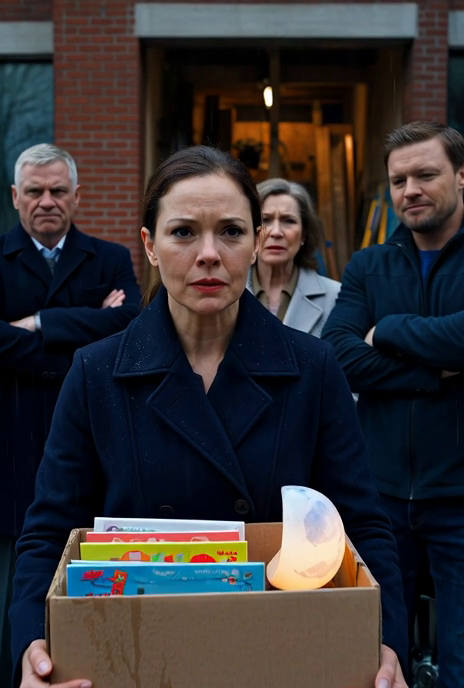
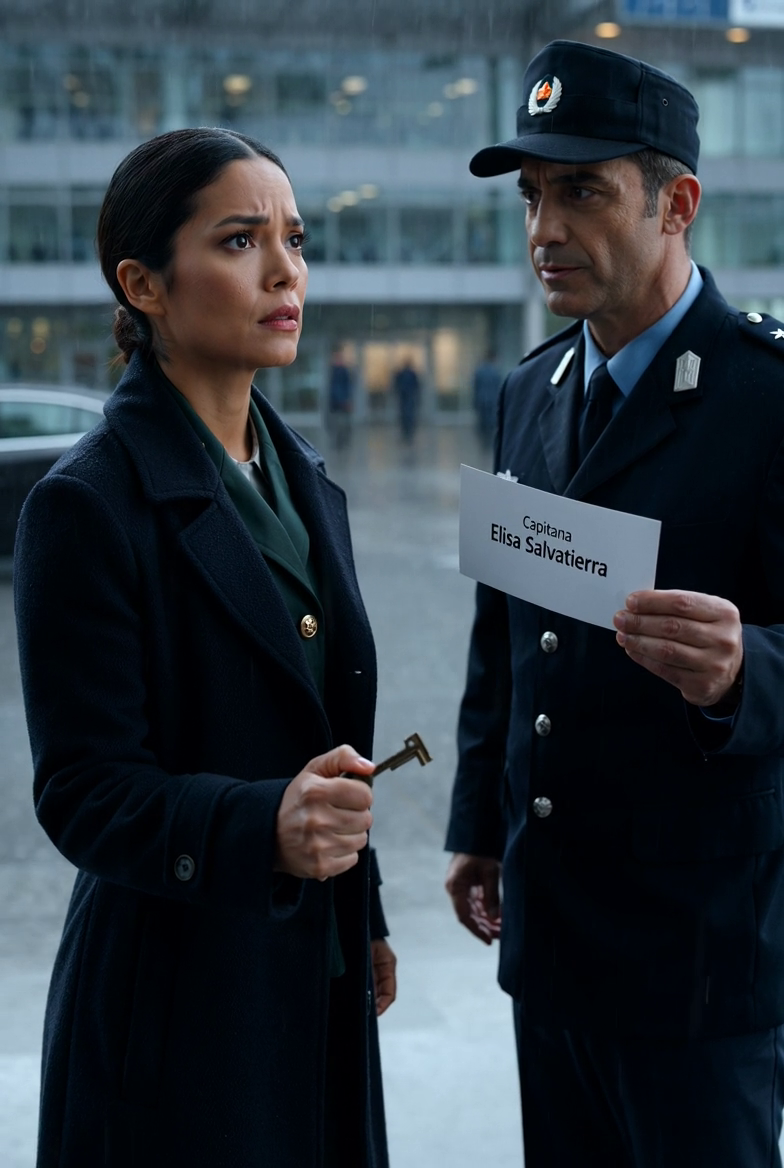
from Willow House into related business accounts.
Electronic access records helped investigators distinguish between Owen’s legitimate activity and sessions connected with devices Martin regularly used.
Former employees described instructions to fill empty rooms on reimbursement summaries as occupied.
My mother’s handwritten records gave investigators another reference point.
On a cold December night, according to her register, only two men were staying at Willow House.
The reimbursement submission claimed seventeen.
And on one date when the building had been temporarily closed because of a failed heating system, the organization had still reported sixteen occupied beds.
My mother remembered the closure because she had spent that night at the home of a volunteer, trying to arrange emergency lodging for the two residents who needed shelter.
A receipt from the heating contractor supported her account.
The fraud did not unravel because I had an impressive title or because Martin had insulted the wrong federal employee.
It unraveled because ordinary people had preserved ordinary facts.
A woman who wrote down who slept in each bed.
A young man who kept suspicious emails.
A former resident who remembered being turned away.
A bookkeeper who asked questions and saved the answers.
Evidence had been accumulating long before anyone confronted Martin with a warrant.
That evening, while investigators worked, my mother sat beside me in my car.
Owen was being interviewed separately.
She looked through the windshield at the wet parking lot.
“I should have told you sooner,” she said.
“You told me when you could.”
“No.
I mean about everything.”
Her eyes filled, but she did not look away.
“He read your letters.
Sometimes he hid them.
He told me you were ashamed of me and didn’t want to come home.”
I had suspected something like that for years.
Hearing it spoken aloud still hurt.
“I thought you believed him,” I said.
“Sometimes I did.
That was the worst part.”
She reached for my hand.
“I wanted him to be the man everyone else thought he was.”
We stayed there until the windows fogged.
Then I helped her into the passenger seat, and we drove to a hotel in a neighboring county.
Her lawyer arranged temporary safeguards concerning her property, and investigators worked with the appropriate authorities to review the disputed loan documents.
I took two weeks away from work to help her find somewhere to live.
She chose a modest apartment above a bakery.
It had three tall windows, a tiny balcony, and a kitchen too small for the elaborate Sunday dinners she loved to make.
She signed the lease herself.
I watched her read every page before picking up the pen.
For years, Martin had mocked her for asking questions about documents.
Now nobody rushed her.
Owen had a harder road.
He hired an attorney, cooperated with investigators, and spent months worrying that his father’s use of his credentials would ruin his life.
He also struggled with guilt.
During one conversation, he told me, “I knew things were wrong.
Maybe not everything.
But enough that I should have asked more questions.”
“You can take responsibility for what you did without accepting blame for what someone else did,” I told him.
He nodded, though I knew he would need time to believe it.
He left Willow House and found an entry-level position at a building-supply